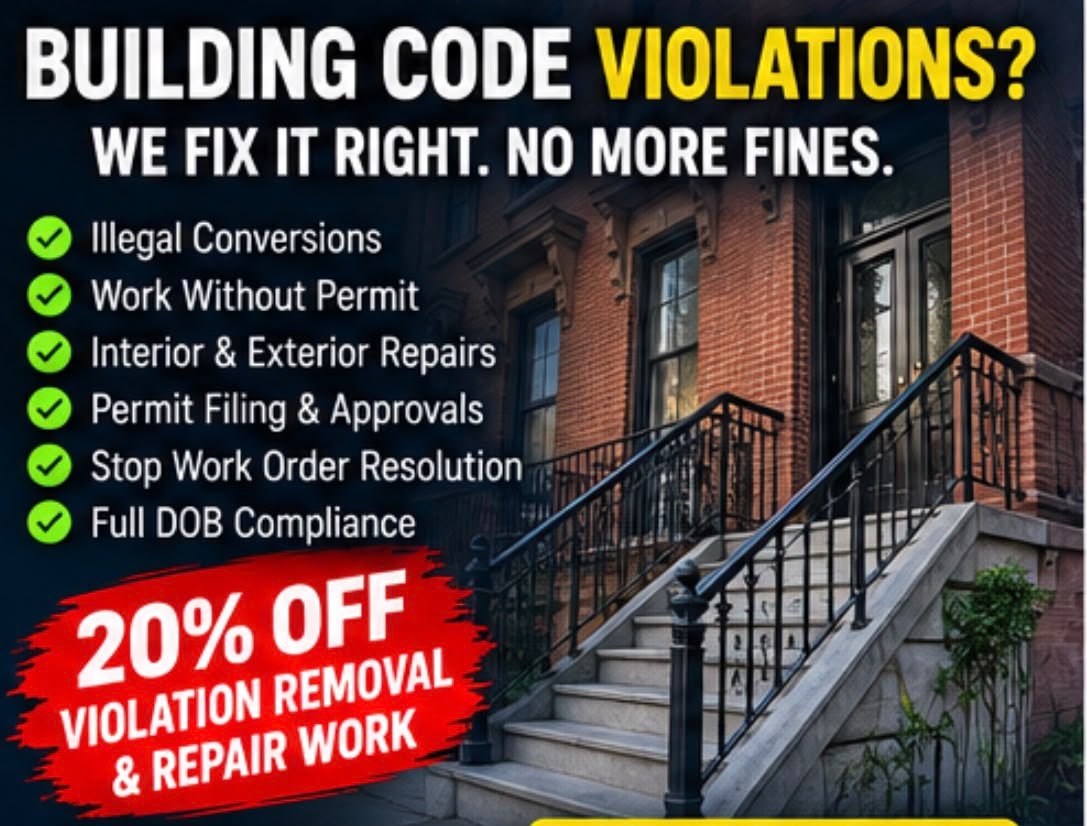
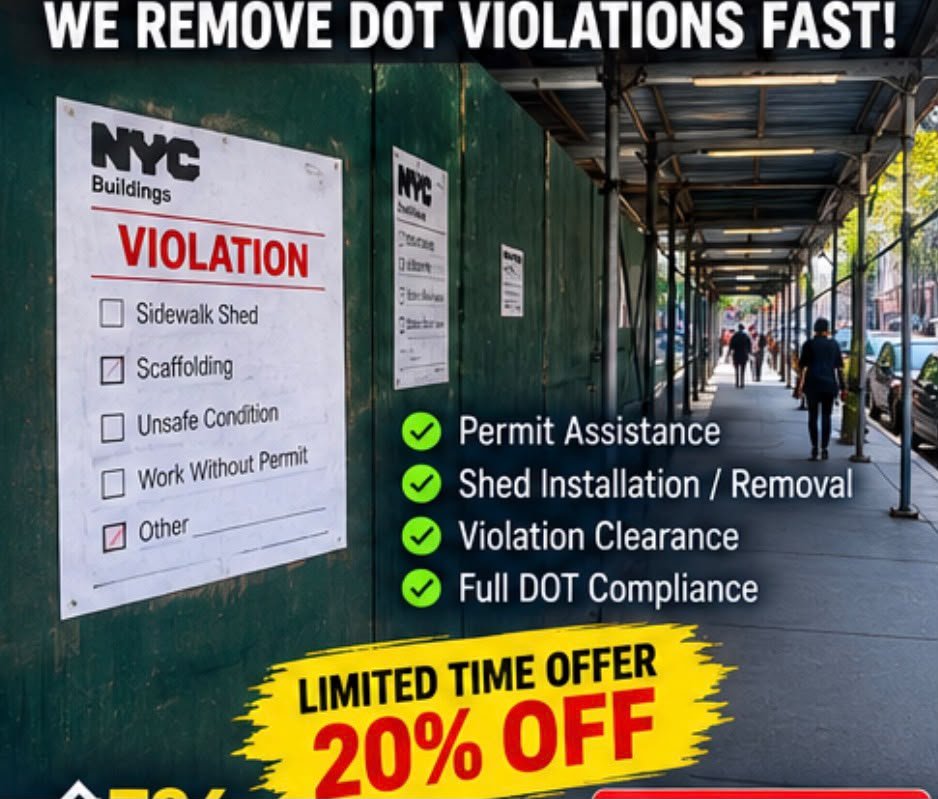
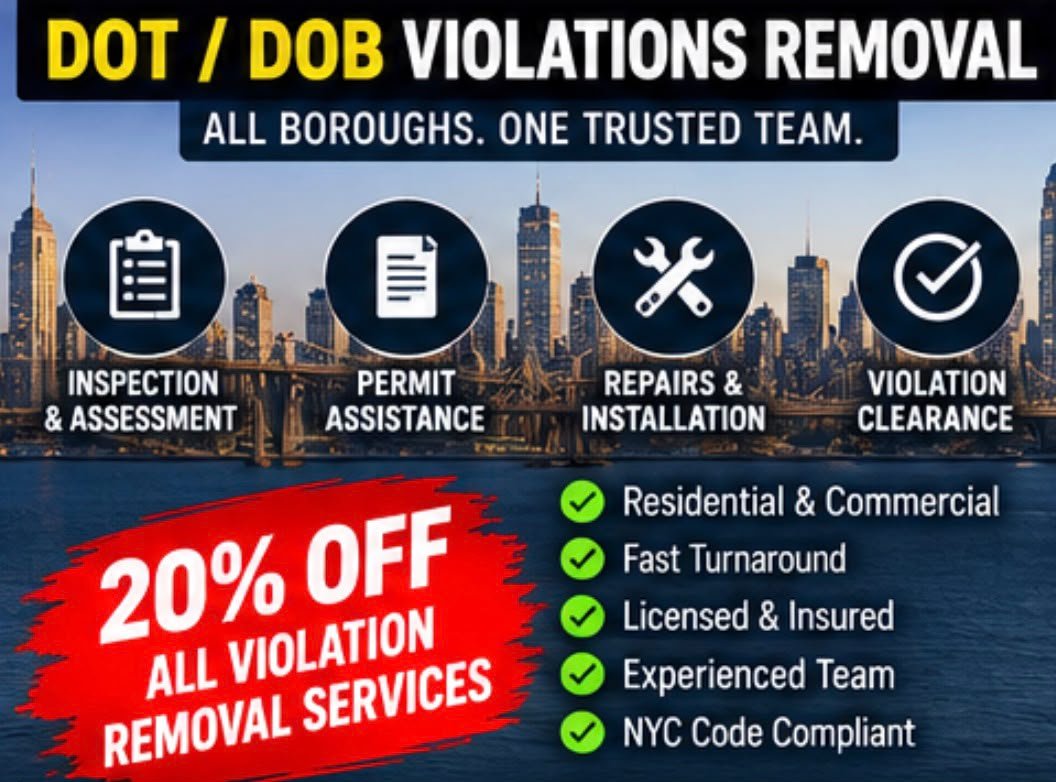
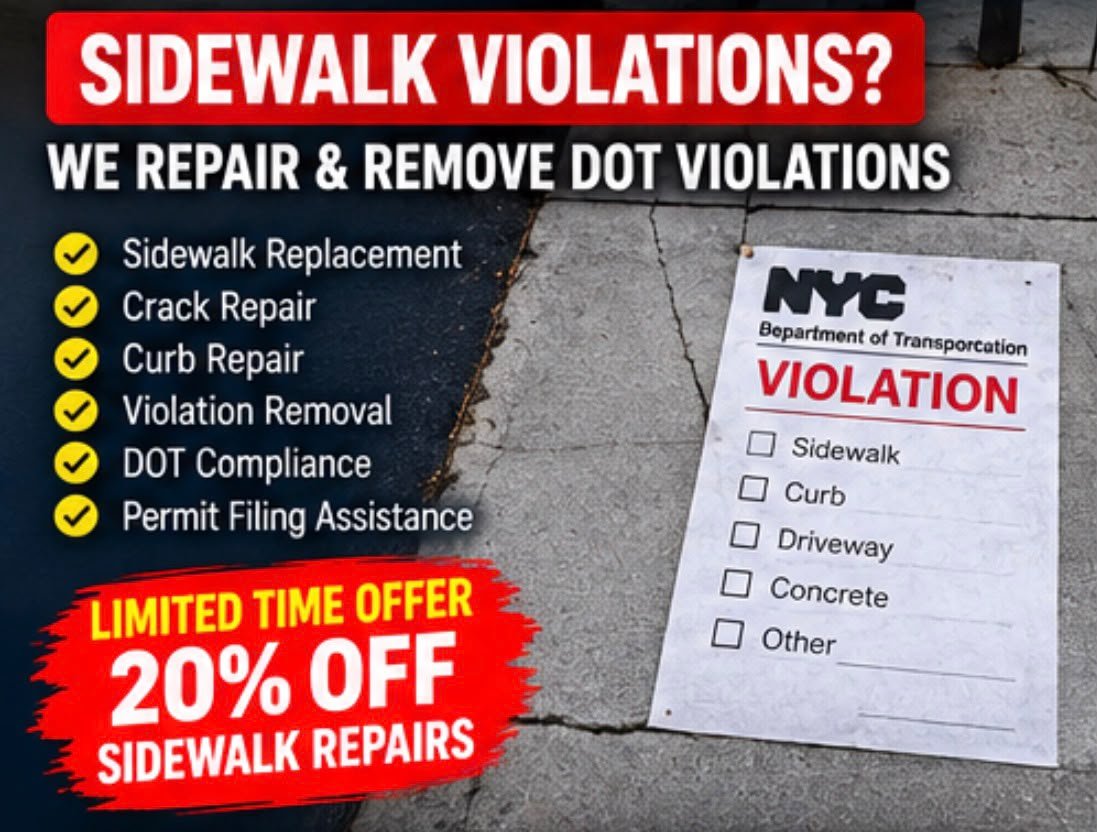






Spring Sale! Limited Time Offer:
50% Materials Plus no Payments and no interest for 2 years

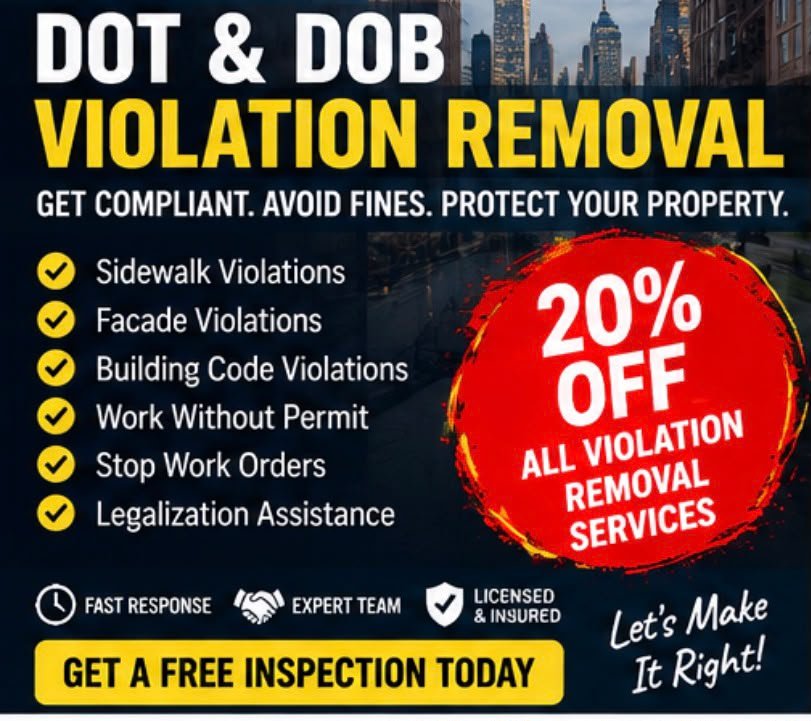
DOT & DOB Violation Correction in NYC

A violation can stop a sale, complicate refinancing, delay a project or leave an owner unsure about what needs to happen next. The practical starting point is to identify the exact agency record, read the cited condition carefully, inspect the property and separate the physical repair from the filing, hearing, permit or professional requirements that may also apply.

786 Construction Services can build the contractor scope around the condition that actually needs correction – sidewalk defects, masonry deterioration, unsafe exterior conditions, unpermitted construction, damaged stairs, curbs, cellar entrances, retaining walls and other repair items. Where a permit, architect, engineer, licensed trade, QEWI or agency filing is required, that part should be coordinated with the appropriate qualified party.

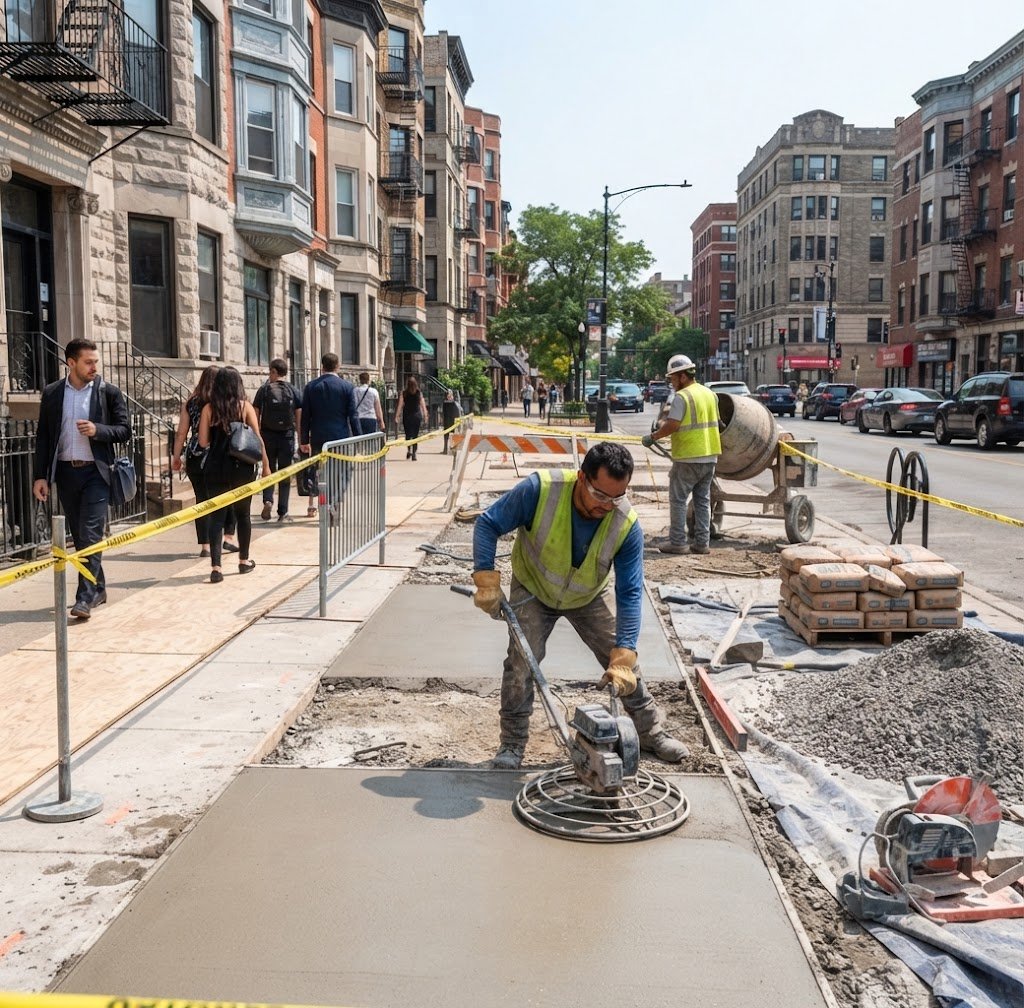
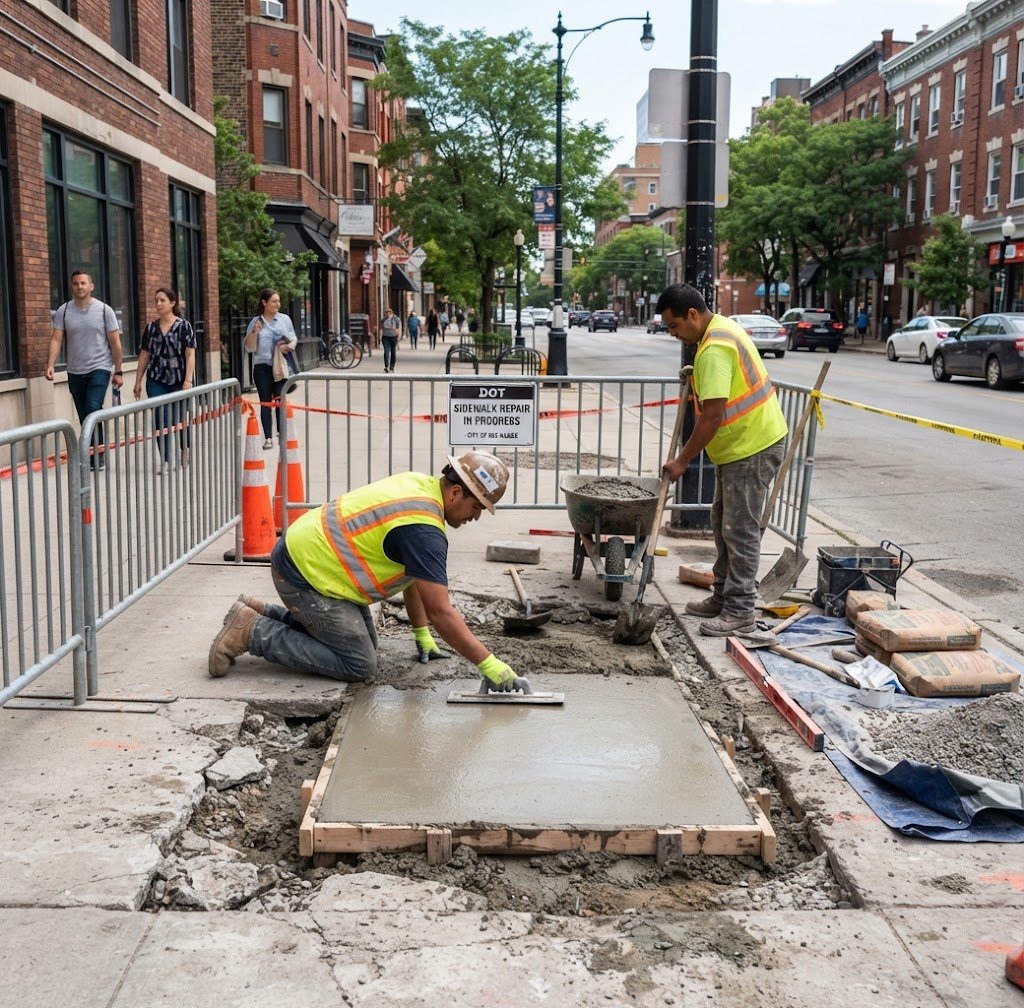
DOT Sidewalk Violation Repair

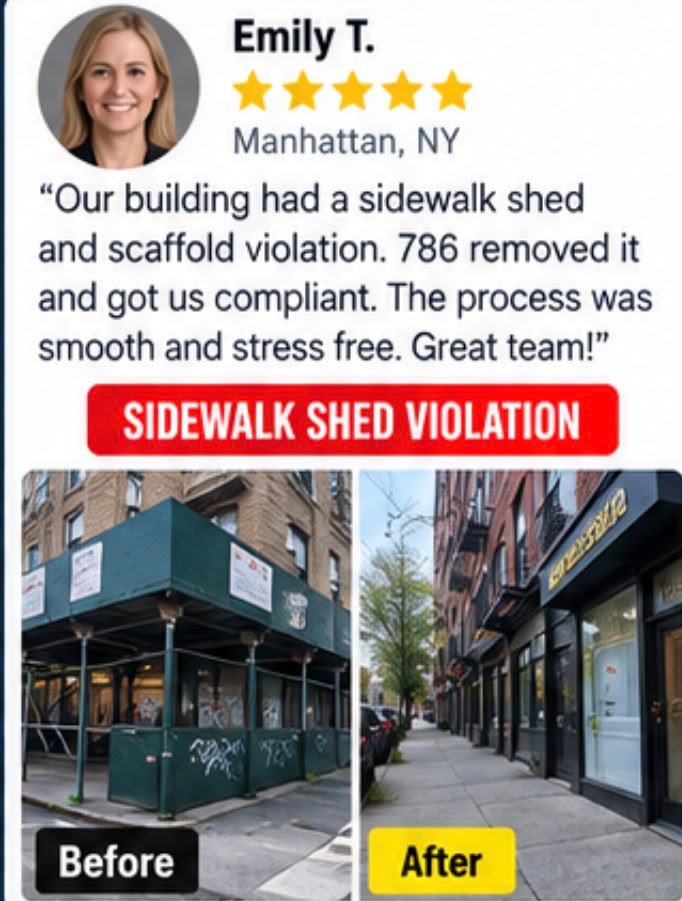
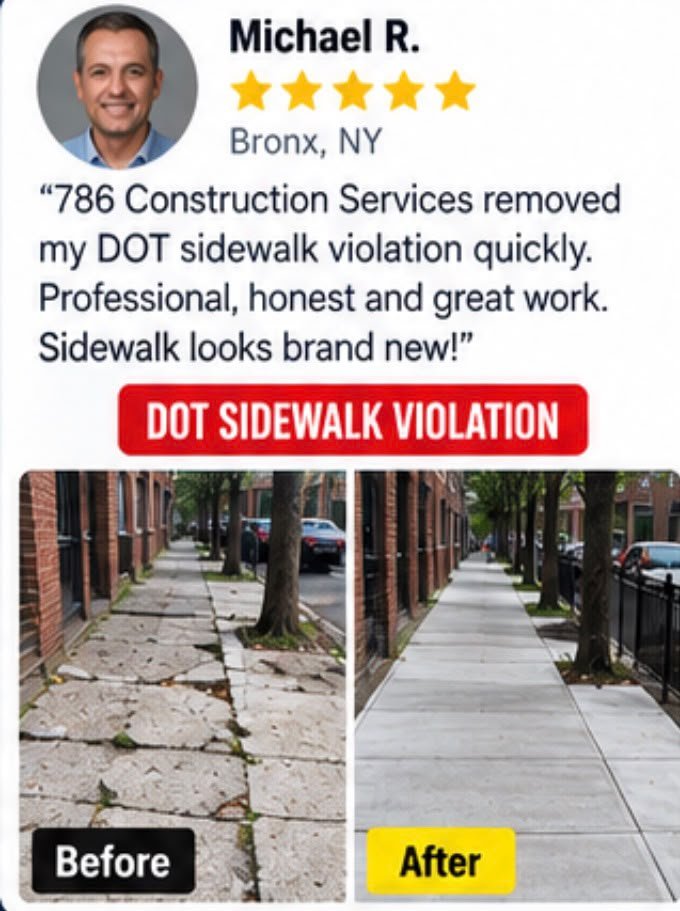
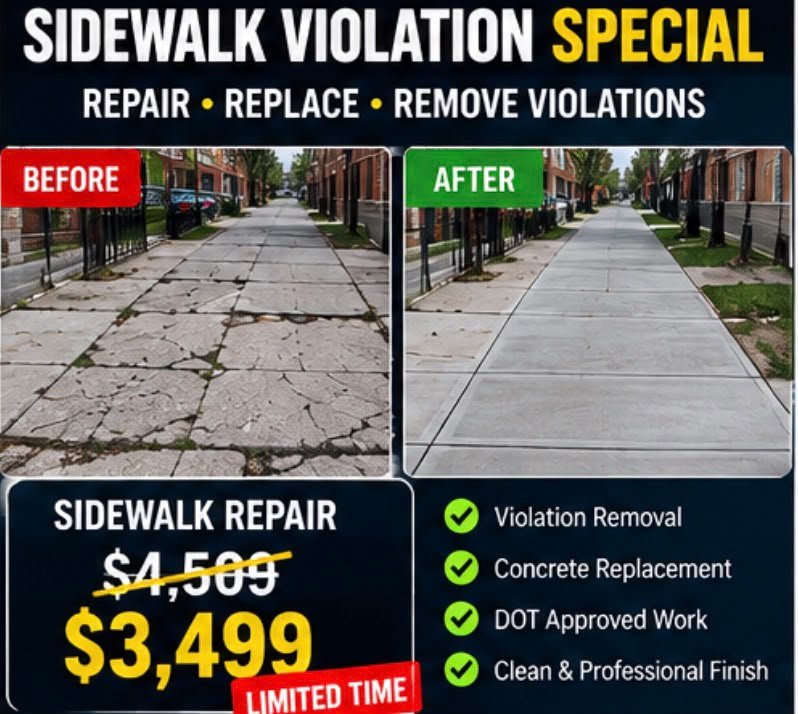
NYC DOT sidewalk notices identify defective sidewalk conditions that must be corrected. The repair scope should follow the marked defects and the Preliminary Inspection Report rather than replacing random sections. After satisfactory work, the owner can request the required dismissal inspection.

·        Review marked sidewalk flags and cited defects

·        Remove and replace affected concrete where required

·        Address trip hazards, cracks and broken flags within scope

·        Coordinate sidewalk permit requirements


·        Prepare the site for DOT dismissal inspection

Sidewalk Concrete Replacement

When sidewalk flags are too damaged for a localized repair, full replacement may provide the cleanest correction. The work should account for line, grade, joints, adjacent curbs, tree conditions and the applicable sidewalk standards.

  • Selective flag removal
  • Base preparation
  • Concrete placement and finishing
  • Joint and edge detailing
  • Cleanup and inspection readiness

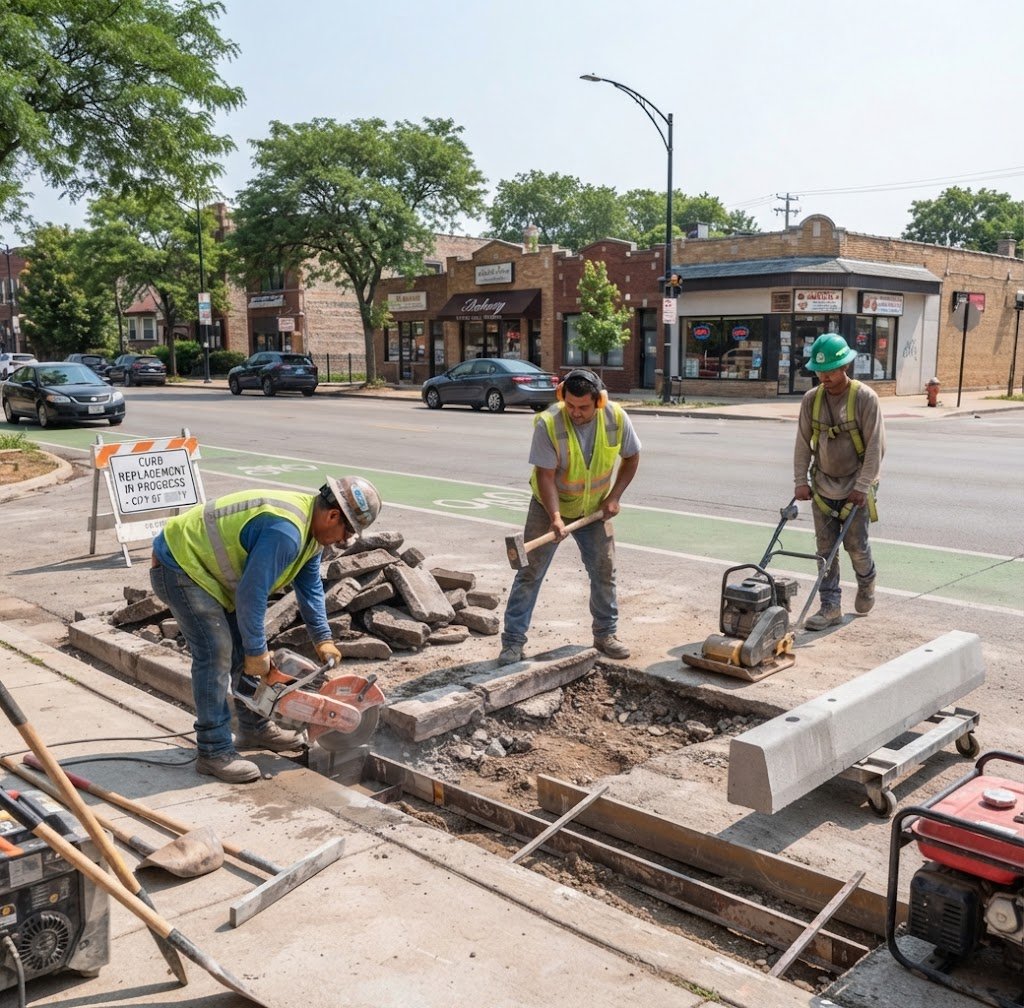
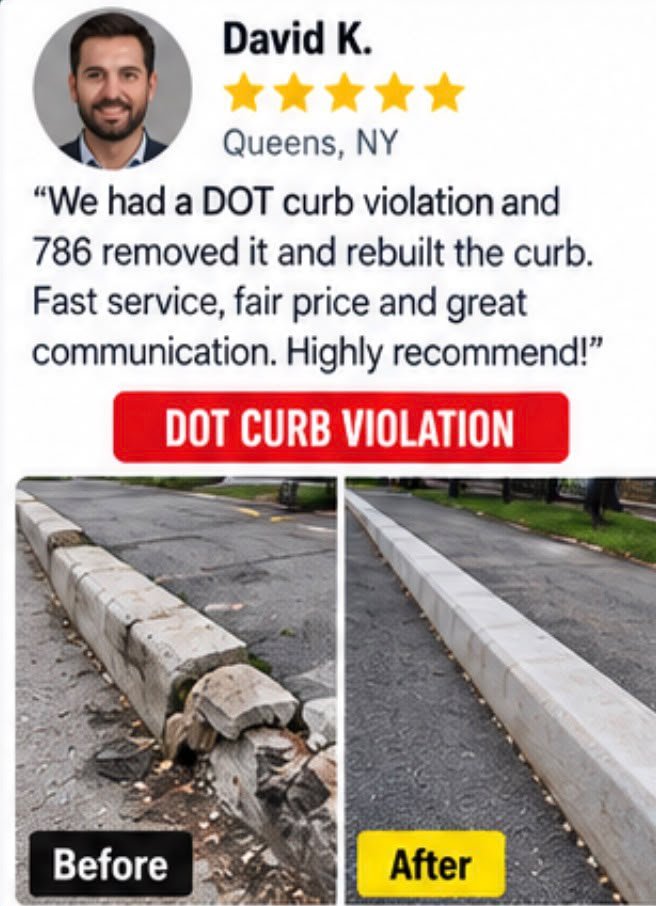
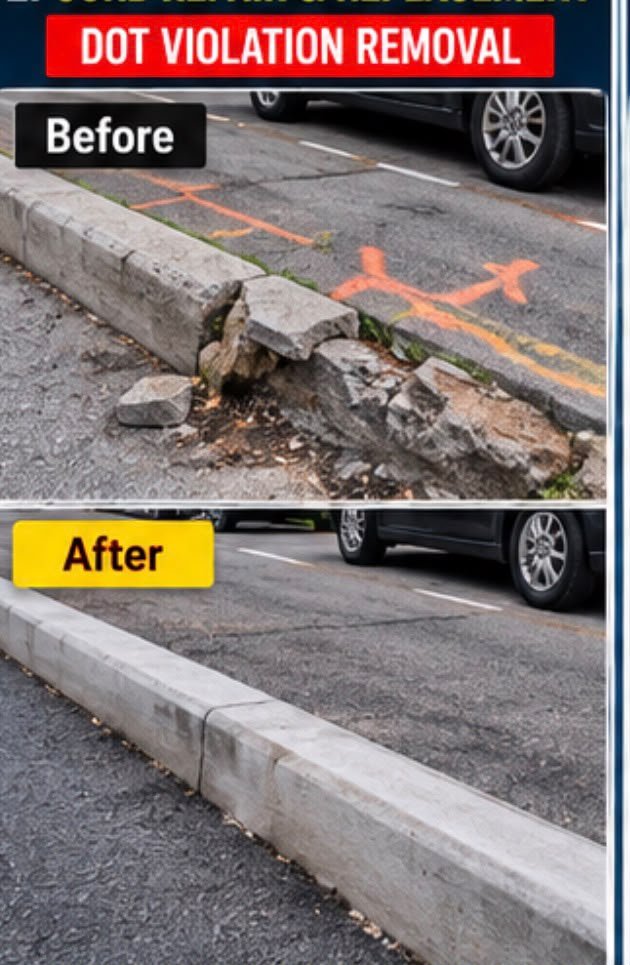
Curb Repair & Replacement

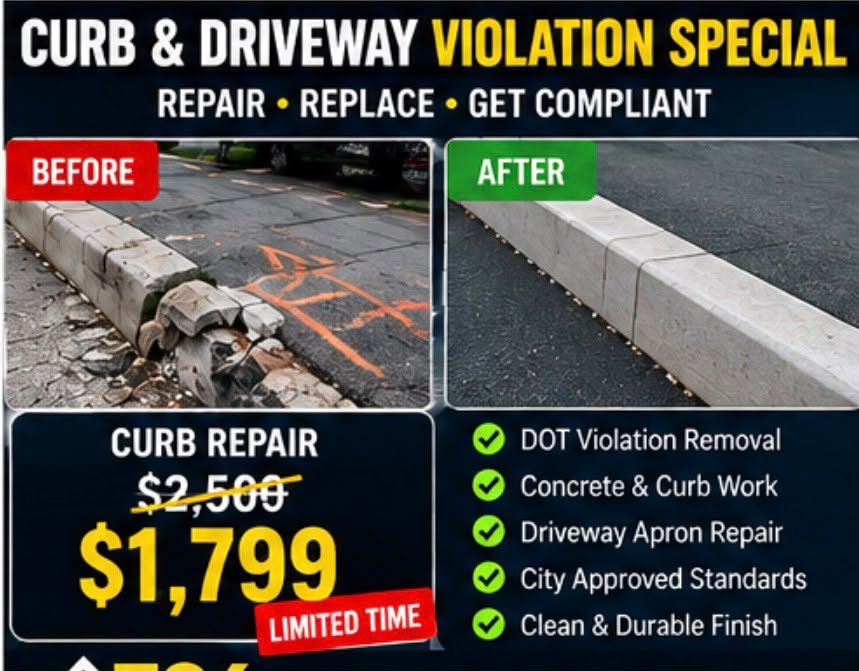
Broken or deteriorated curb conditions can affect the street edge and adjacent sidewalk. The exact repair method depends on the cited condition, curb type, location and any DOT permit requirements.

  • Damaged curb assessment
  • Removal within approved scope
  • Curb replacement/repair
  • Concrete interface detailing
  • Permit and inspection coordination as applicable

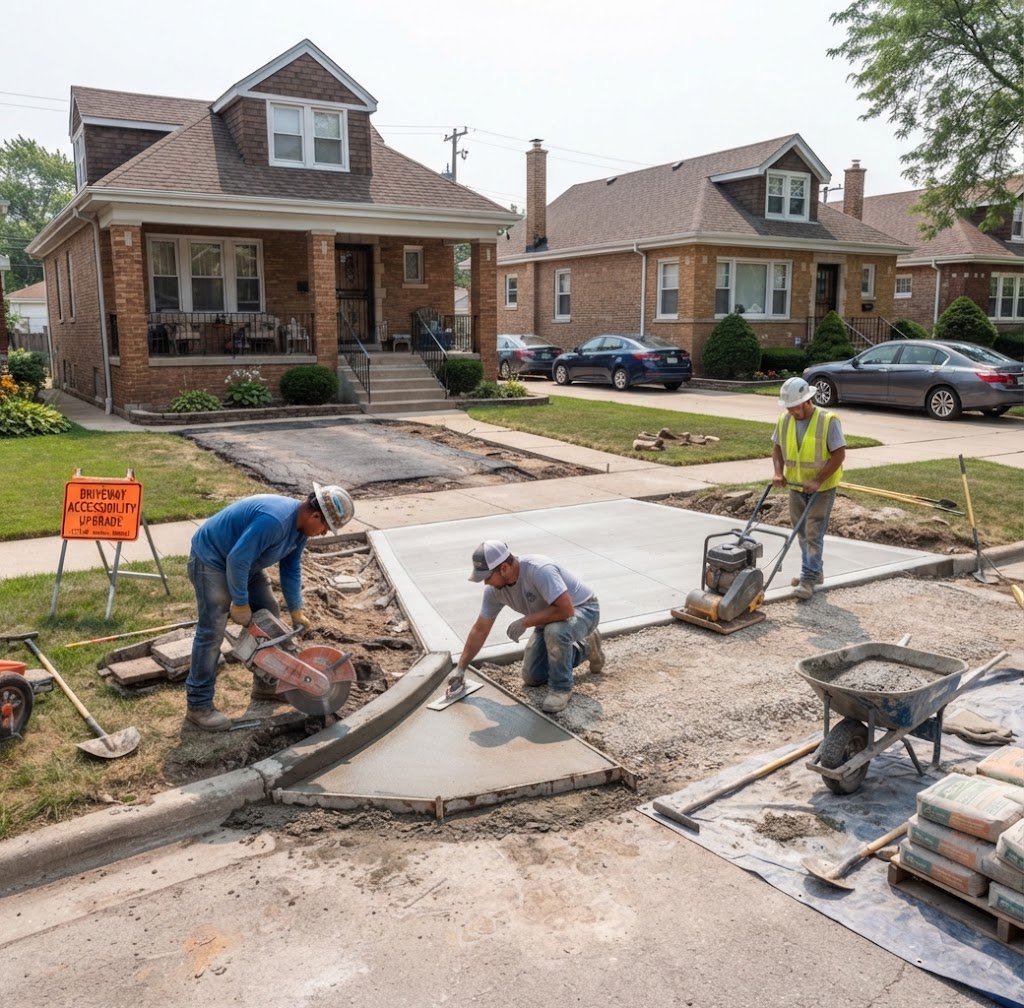
Driveway / Curb-Cut Correction Work

Driveway aprons and curb-cut areas can involve both physical construction and agency requirements. Work should be based on the legal condition, approved scope and the actual defect rather than assuming every driveway issue is handled the same way.

  • Apron and concrete repair
  • Curb interface work
  • Surface restoration
  • Drainage-aware finish work
  • Permit/professional coordination where required

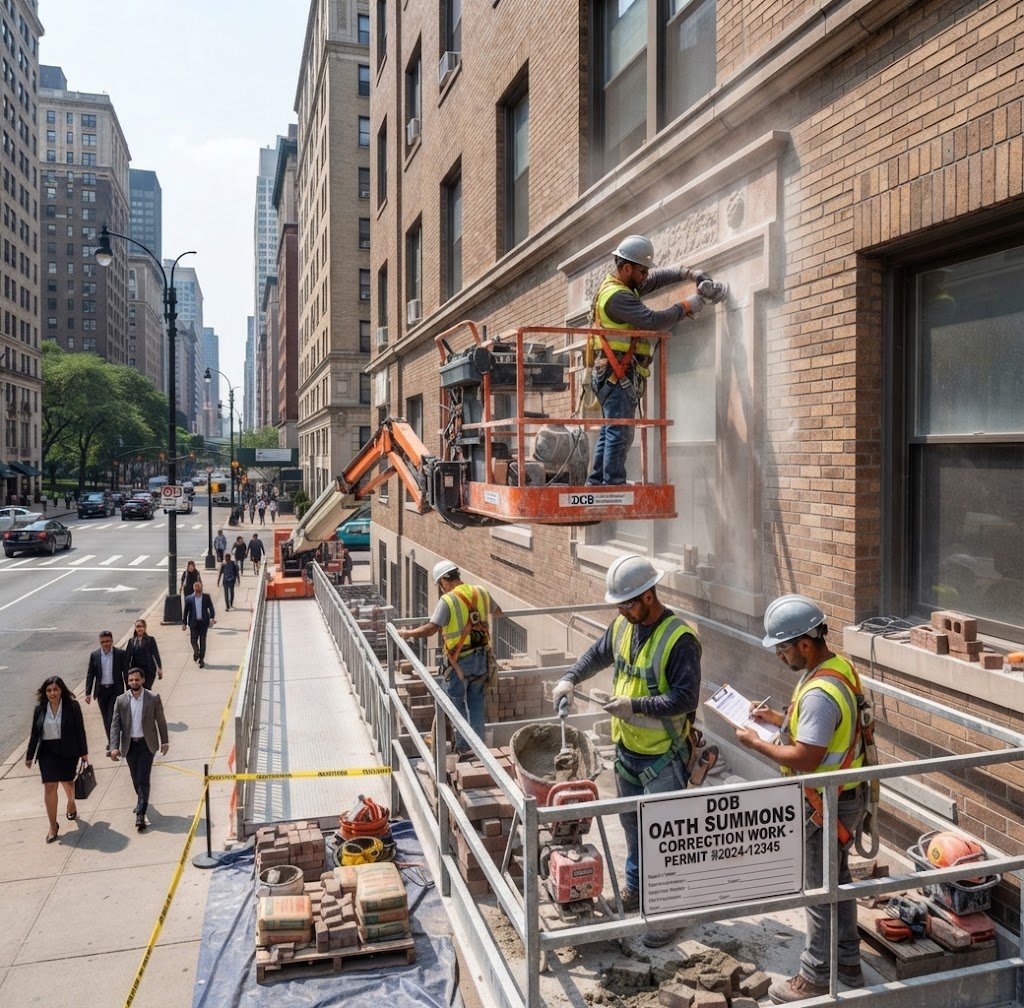
DOB OATH Summons Correction Work

A DOB-issued OATH summons generally requires the cited condition to be corrected and certified with DOB unless it is dismissed at hearing. Paying a penalty by itself does not necessarily close the DOB record.

  • Read the cited condition and order
  • Build a correction scope
  • Perform contractor repair work
  • Collect repair photos/invoices as appropriate
  • Support Certificate of Correction documentation

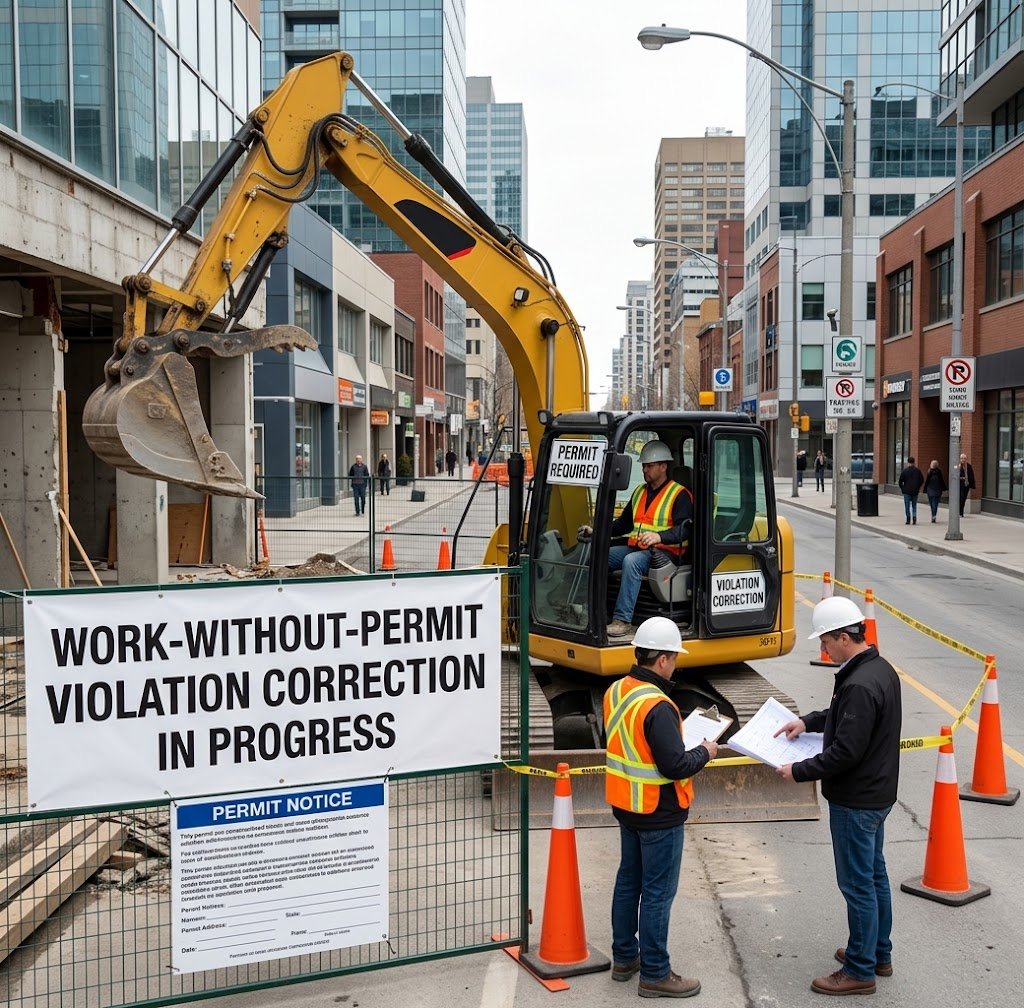
Work-Without-Permit Violation Correction

When work was performed without a required permit, the solution may involve legalizing the condition through proper filings or restoring the premises, depending on what DOB requires and what can lawfully remain.

  • Existing-condition review
  • Selective removal or reconstruction where required
  • Permit/design-professional coordination
  • Repair to approved scope
  • Documentation of corrected condition

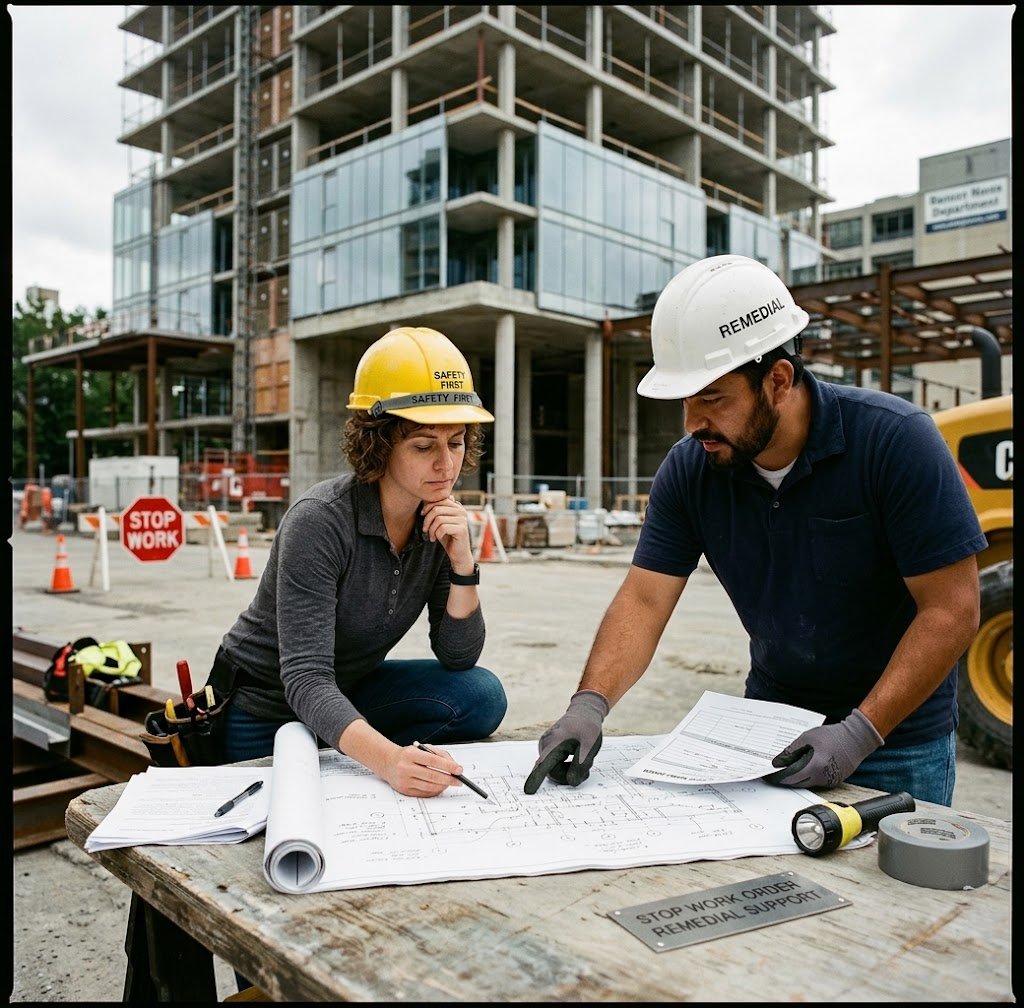
Stop Work Order Remedial Support

A Stop Work Order can be full or partial. Work should not simply resume because a permit was later obtained; the order must be handled through DOB’s process. Contractor work may be needed to correct the condition that triggered the order.

  • Identify affected work area
  • Perform authorized remedial/safety work
  • Coordinate required permit scope
  • Document corrected conditions
  • Support readiness for rescission process

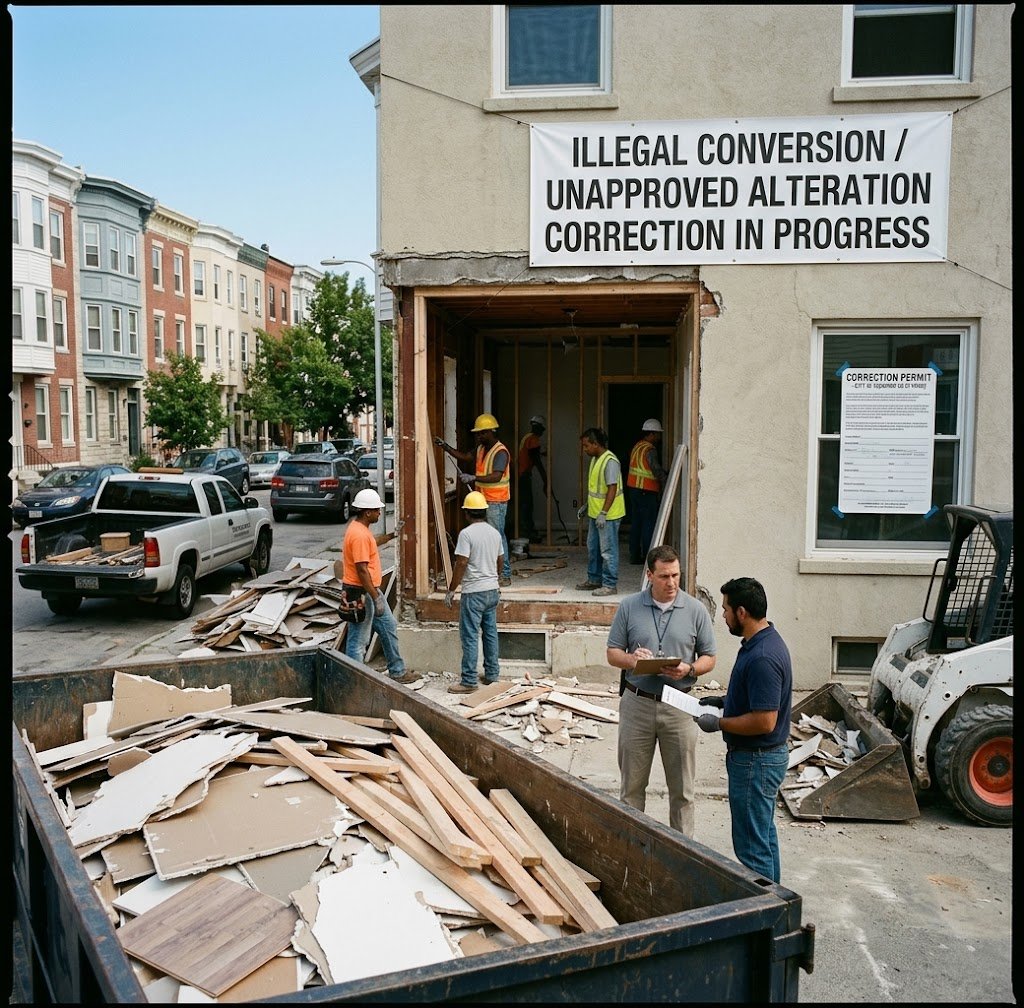
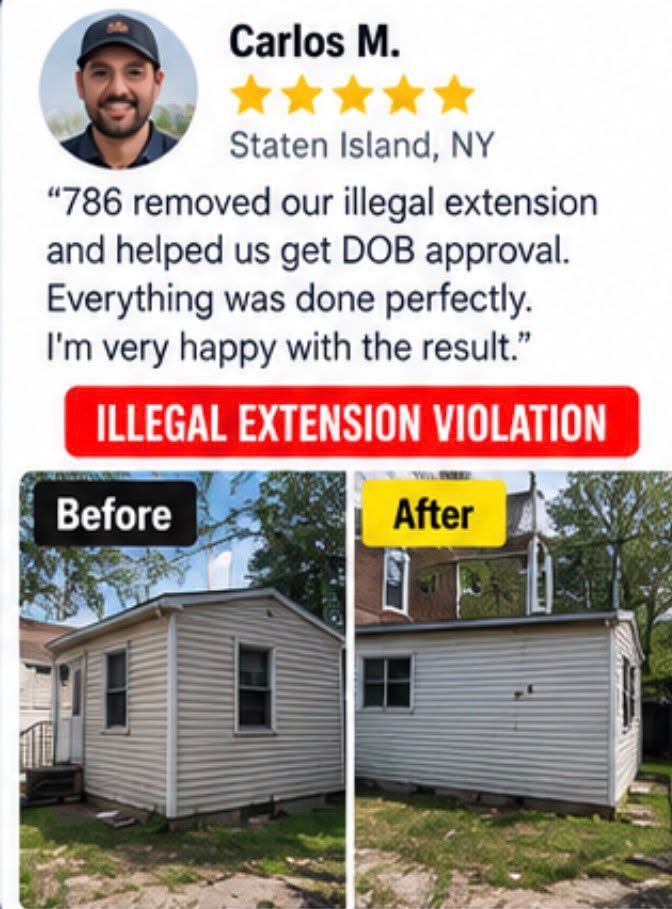
Illegal Conversion / Unapproved Alteration Correction

Illegal conversion or unapproved alteration cases can require removal, restoration or legalization. These matters often need an architect or engineer to determine whether the existing condition can be approved.

  • Open and inspect affected areas as authorized
  • Remove noncompliant finishes/partitions where required
  • Restore prior lawful conditions where directed
  • Rebuild to approved documents when applicable
  • Coordinate with design professional and filing team

Plumbing Riser Replacement

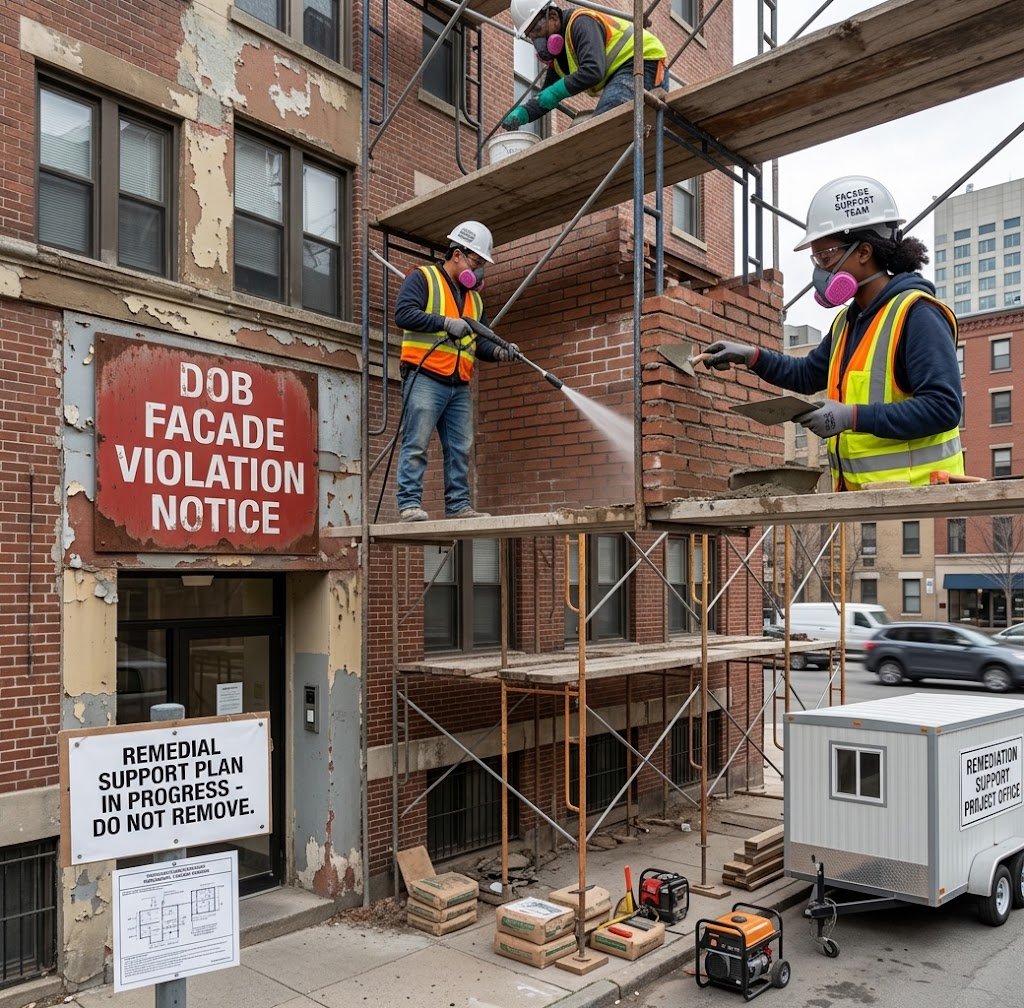
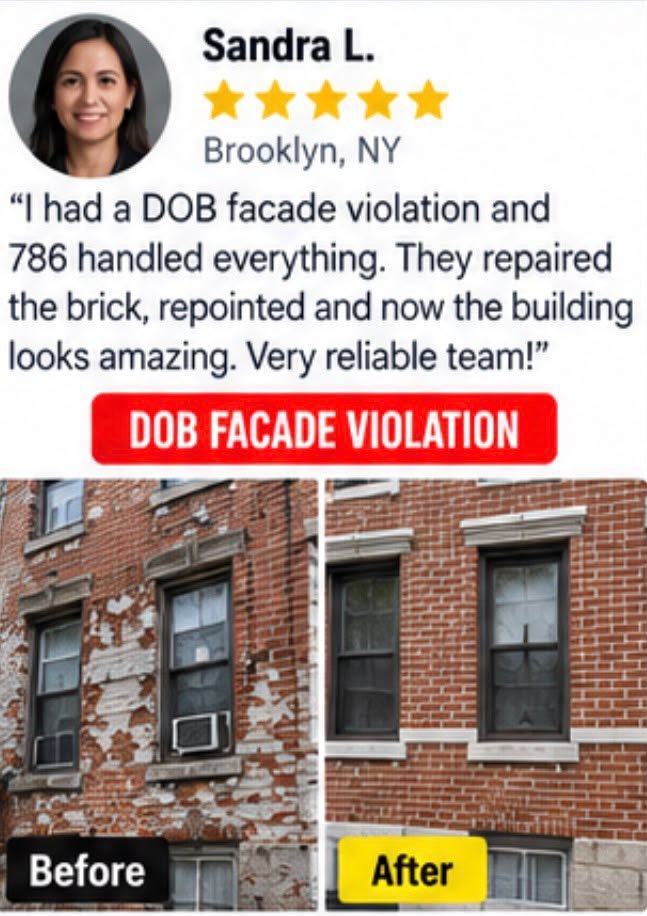
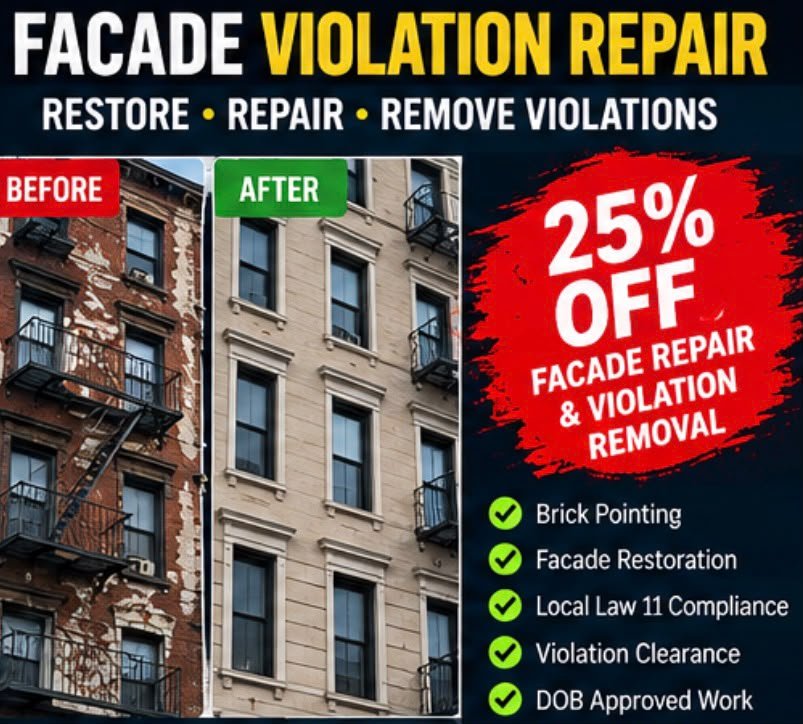
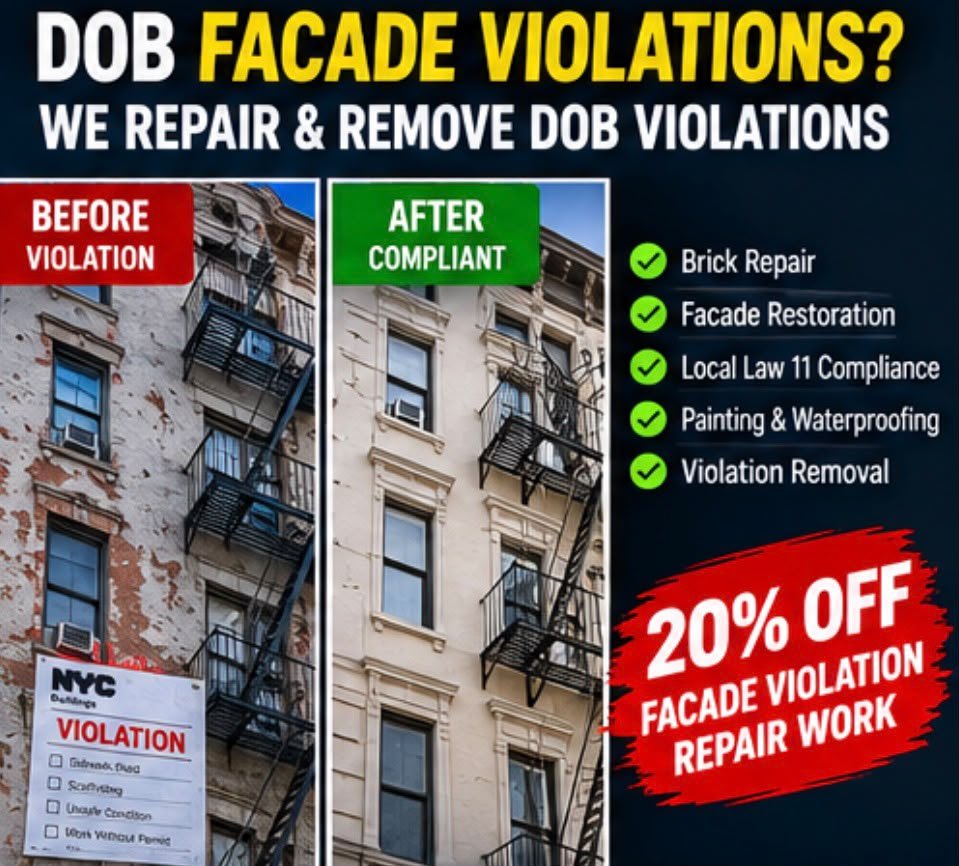
Facade violations can involve deteriorated masonry, unsafe conditions or FISP-related requirements. Physical facade repairs and official FISP reporting are different roles; a QEWI is required for the FISP technical-report process.

  • Brick and mortar repairs
  • Localized stone/concrete repairs
  • Parapet/coping correction work
  • Water-intrusion related exterior repairs
  • QEWI repair-scope coordination where applicable

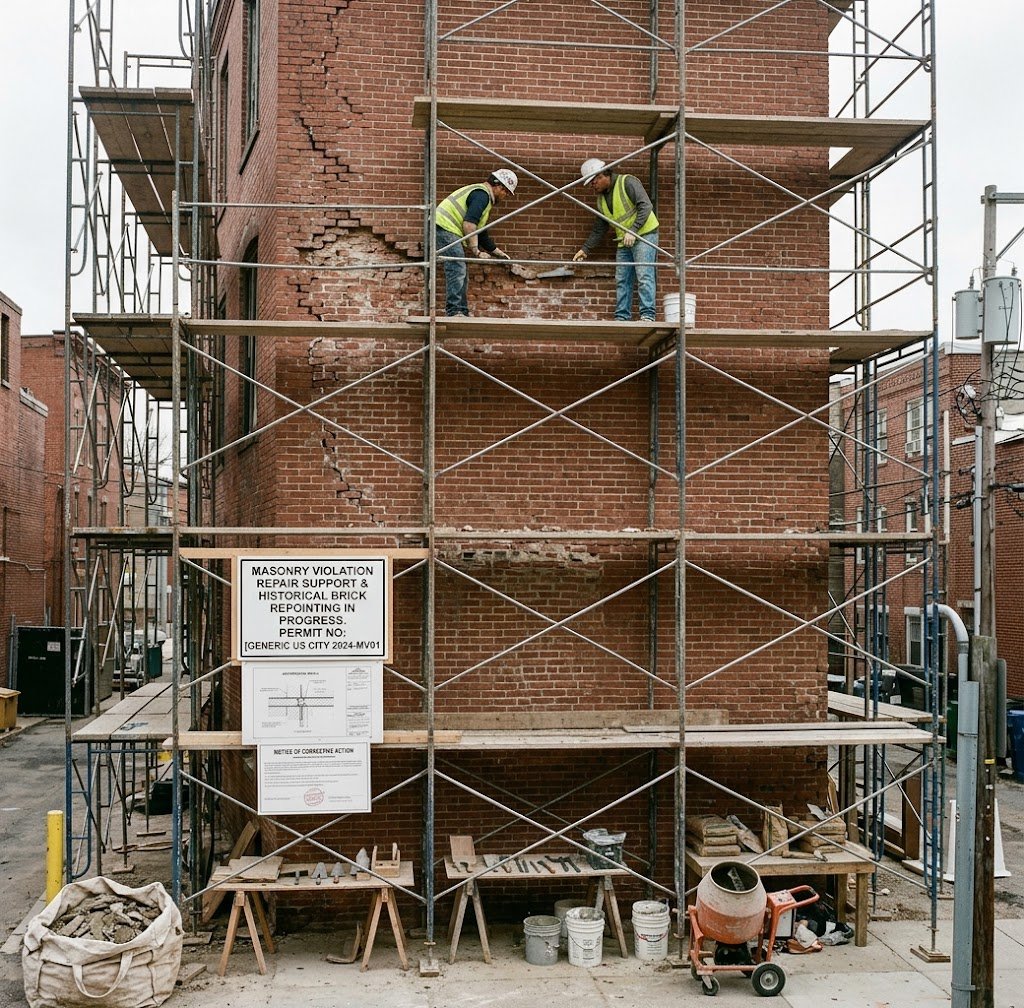
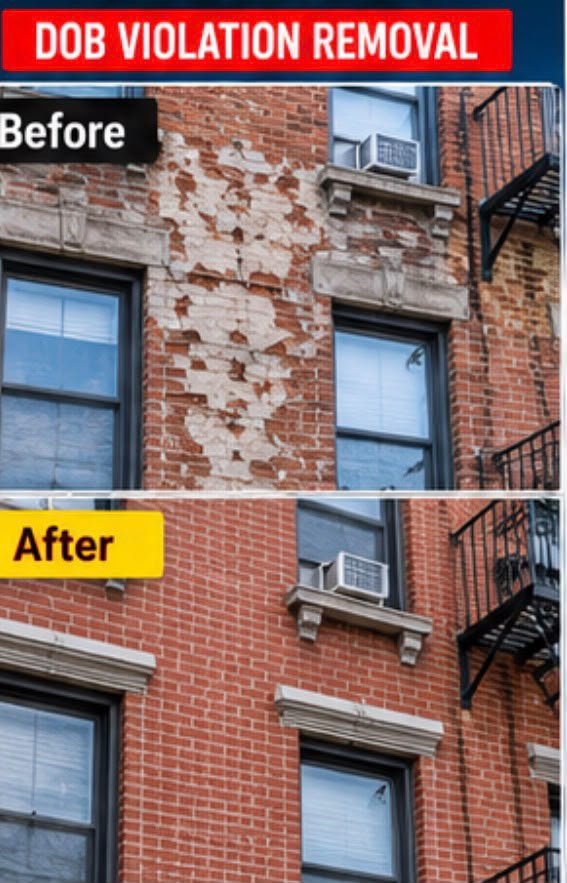
Brick Repointing & Masonry Violation Repairs

Open mortar joints, loose brick and localized masonry deterioration can become cited conditions. Proper correction starts by matching the repair to the actual wall condition rather than covering defects cosmetically.

  • Deteriorated mortar removal
  • Repointing
  • Localized brick replacement
  • Crack and joint repair
  • Finish cleanup and documentation photos

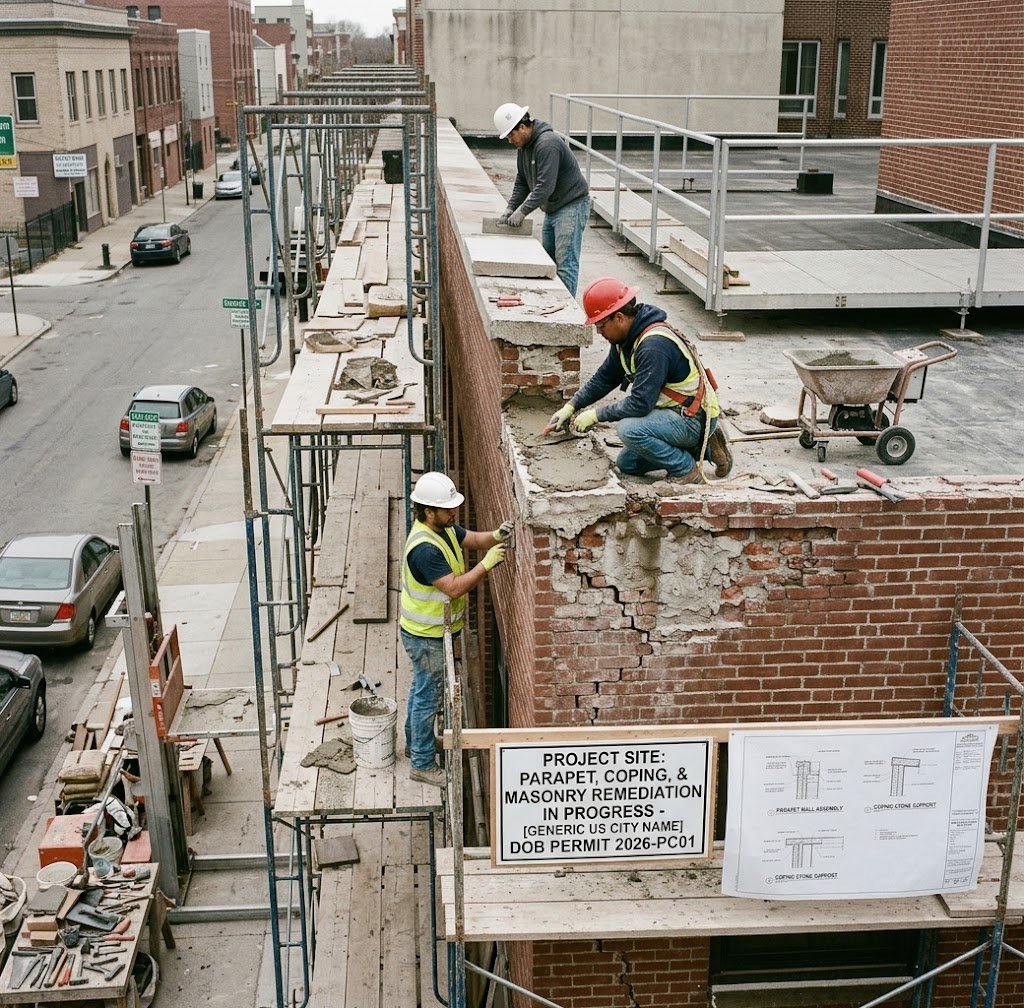
Parapet, Coping & Exterior Wall Repairs

Parapets and coping are exposed to weather and can deteriorate at joints, caps and masonry transitions. Repair may include rebuilding localized sections, resetting coping and correcting loose or damaged materials.

  • Parapet masonry repair
  • Coping reset/replacement
  • Joint restoration
  • Loose-material correction
  • Water-shedding detail repair

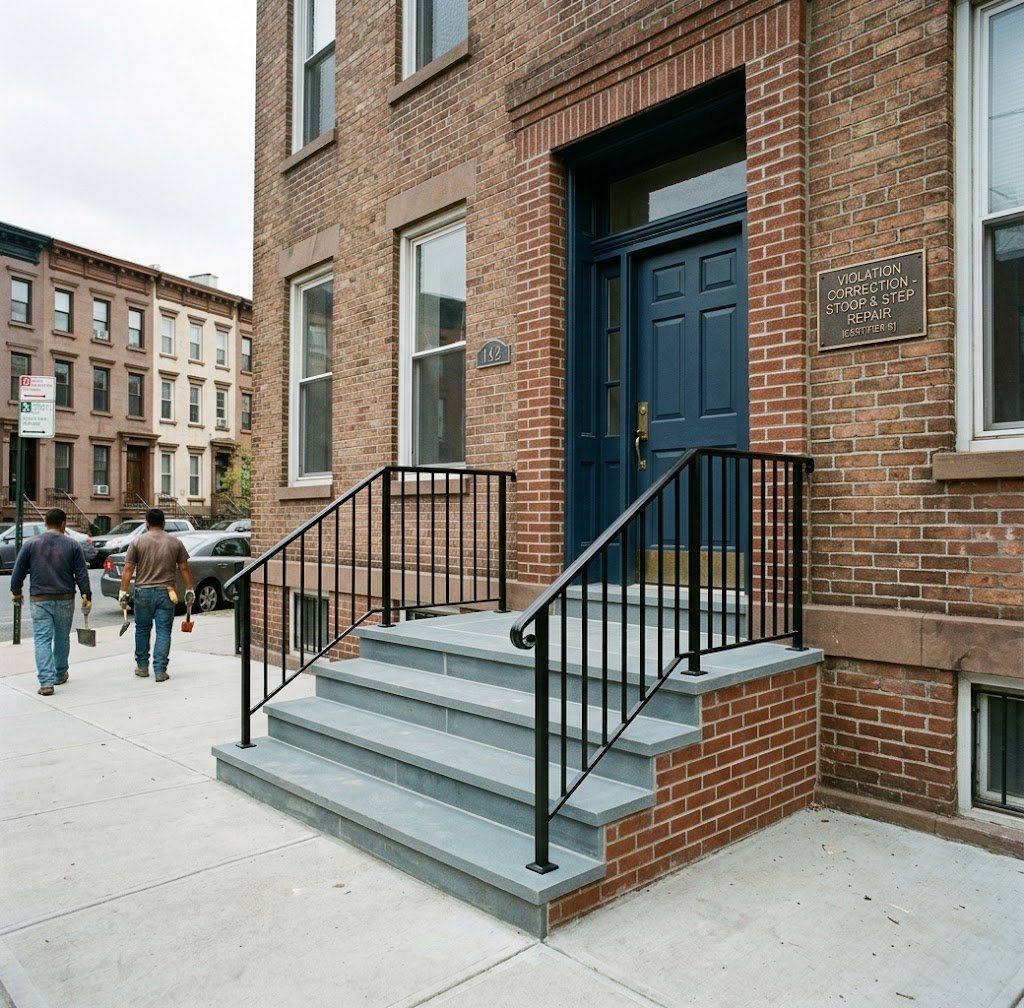
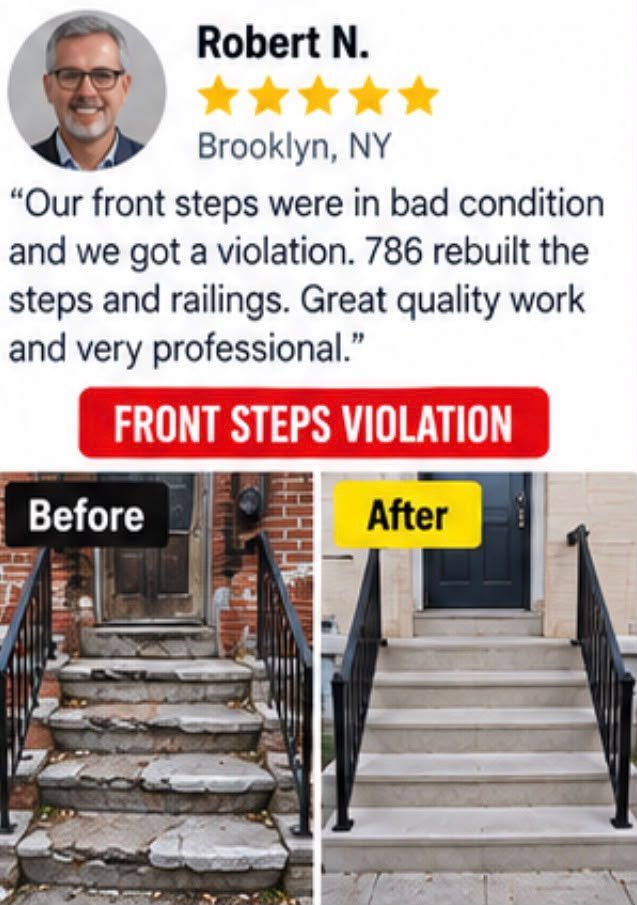
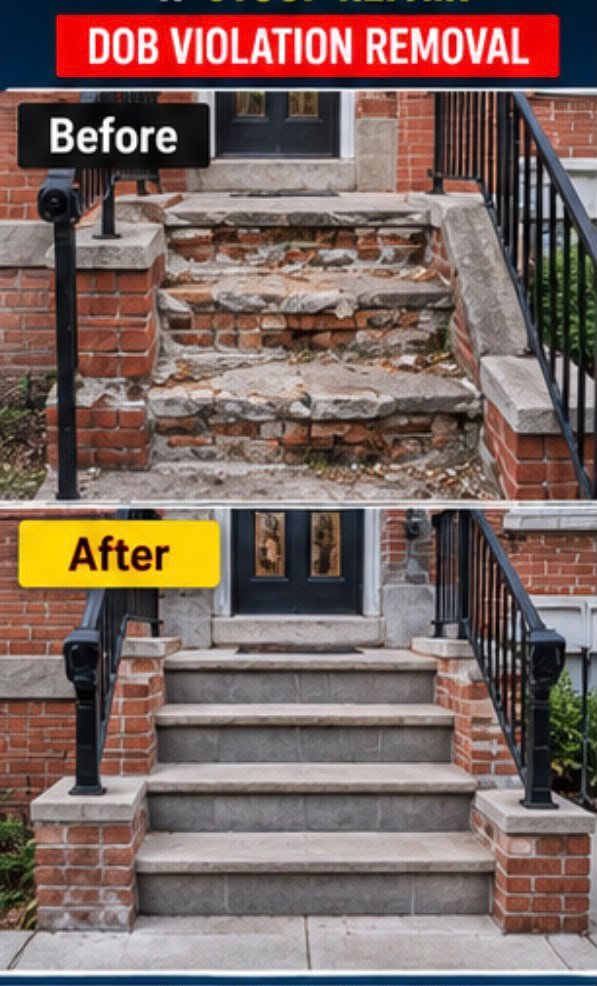
Stoop, Step & Entrance Violation Repairs

Broken steps, loose masonry, damaged landings and unsafe entrance conditions can require prompt correction. Repairs should restore a sound walking surface and coordinate with railings, landings and adjacent masonry.

  • Step and landing repair
  • Concrete/masonry rebuilding
  • Localized railing coordination
  • Crack/spall correction
  • Finish and cleanup

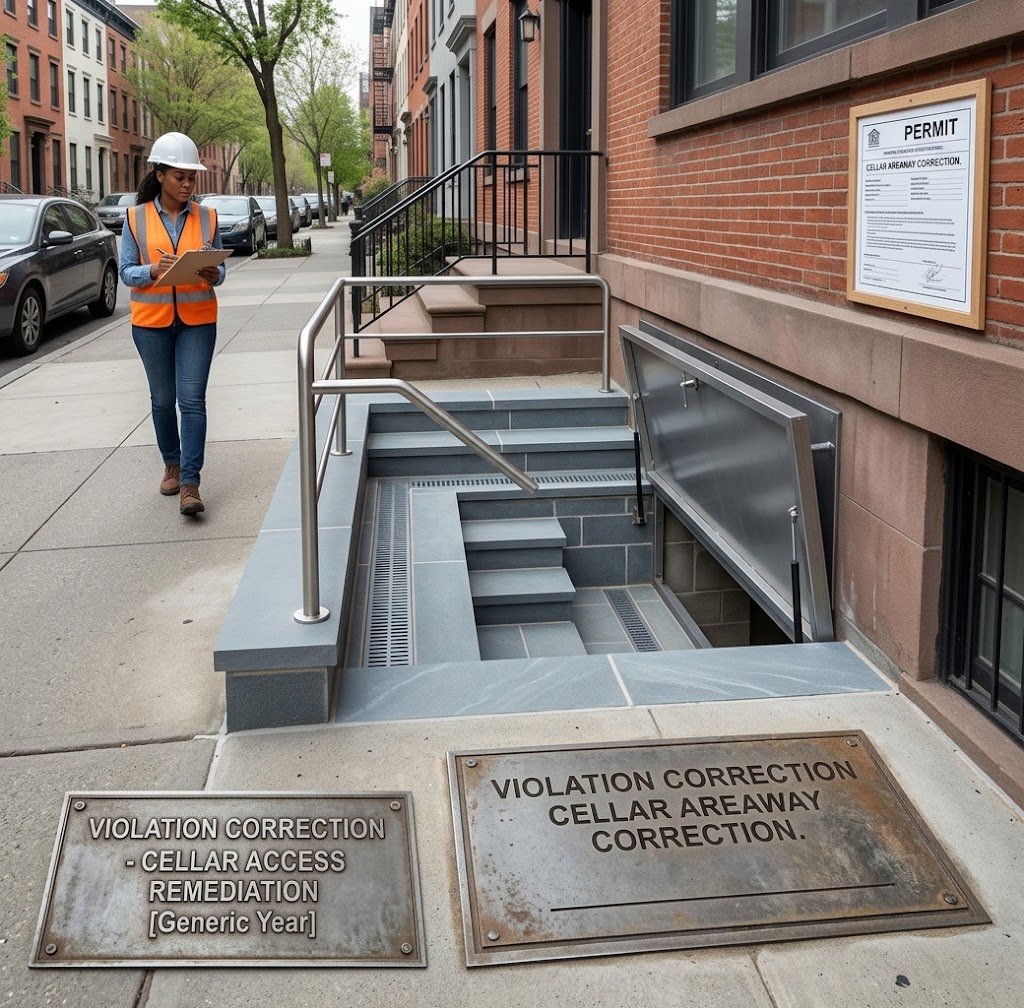
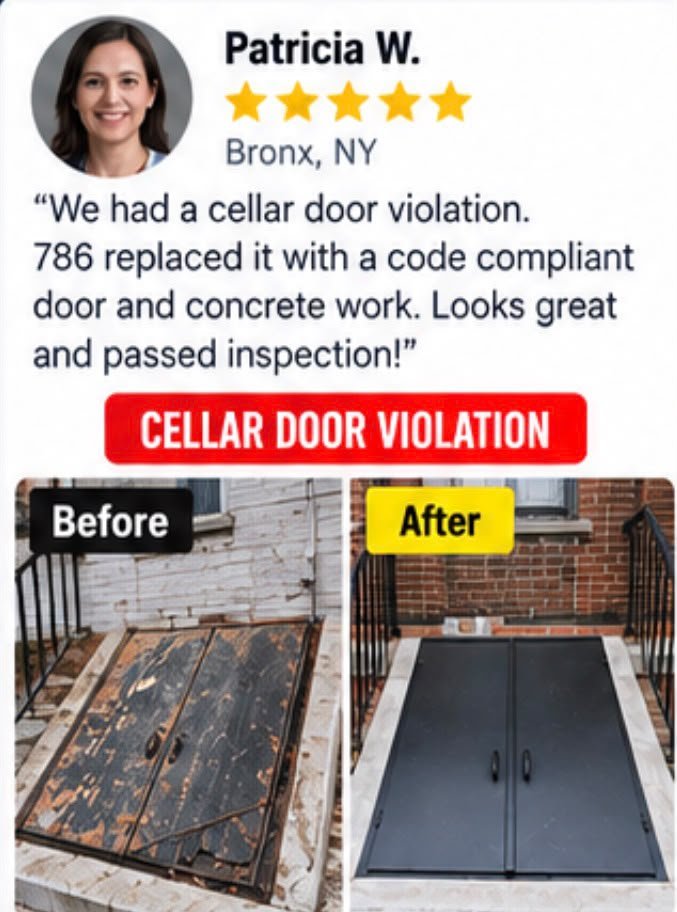
Cellar Door / Areaway Correction Work

Cellar entrances and areaways can deteriorate at doors, curbs, masonry and drainage interfaces. The contractor scope should match the cited condition and any required approved details.

  • Cellar door replacement/repair
  • Concrete curb repair
  • Masonry edge restoration
  • Weatherproofing at interfaces
  • Finish work and documentation

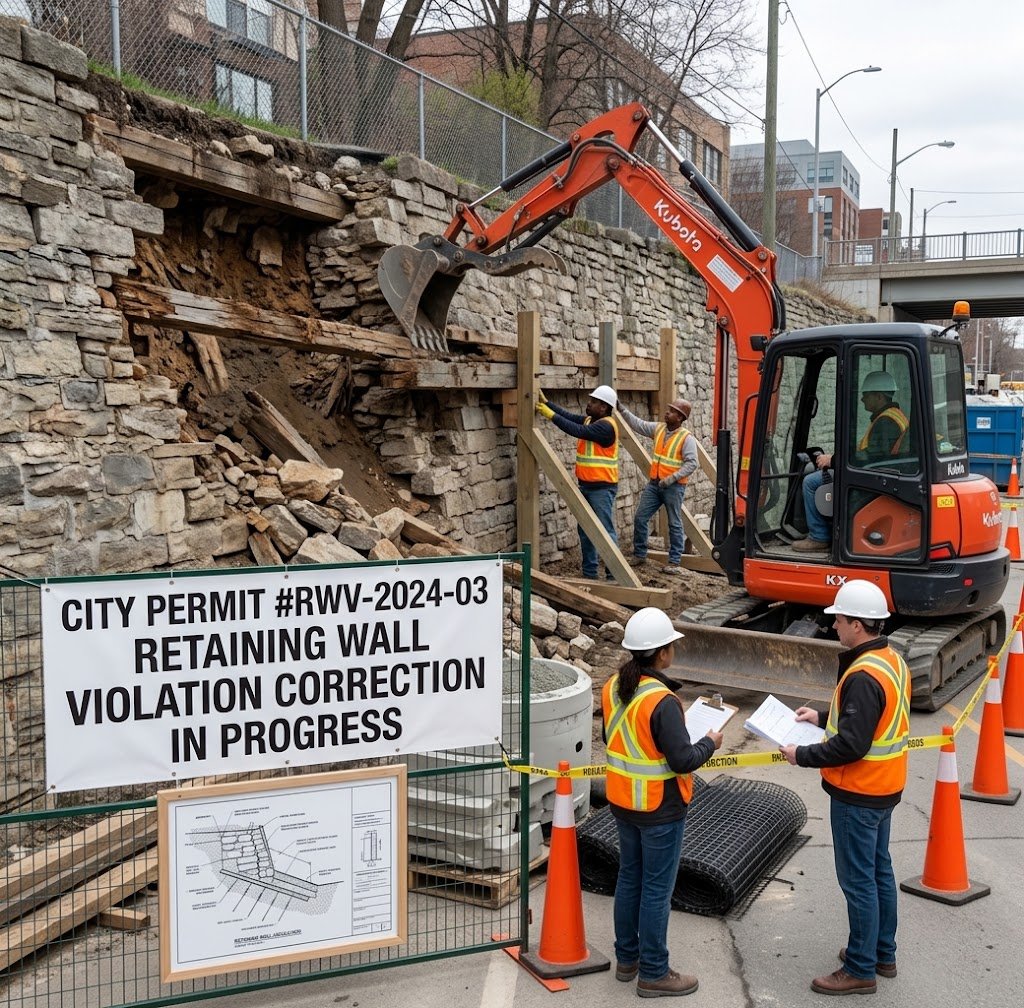
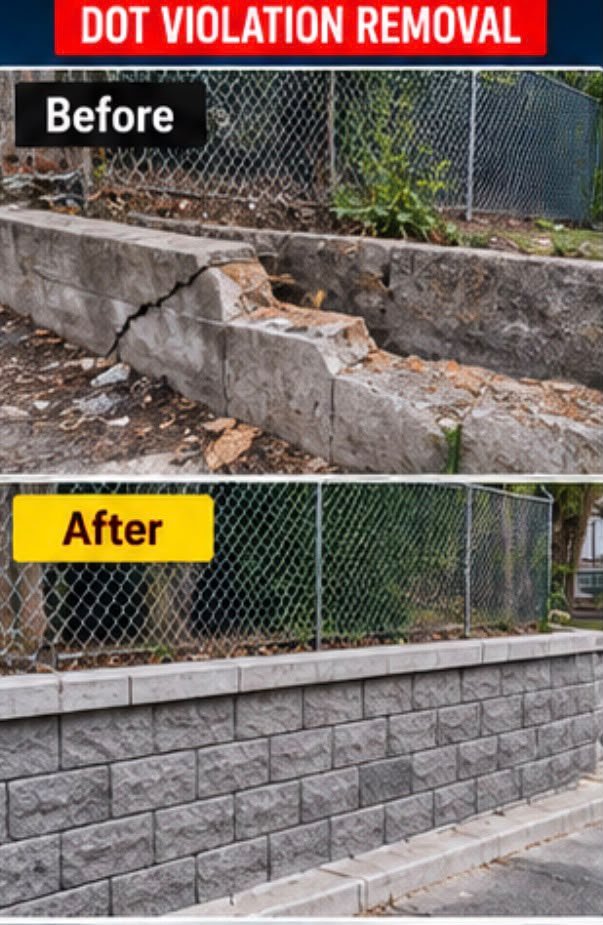
Retaining Wall Violation Repair

Cracked, leaning or deteriorated retaining walls require careful assessment because the correct solution depends on wall height, loading, drainage and structural condition. Engineering or permits may be required for some scopes.

  • Condition assessment support
  • Selective demolition
  • Base/drainage preparation where applicable
  • Wall reconstruction to approved scope
  • Finish and site restoration

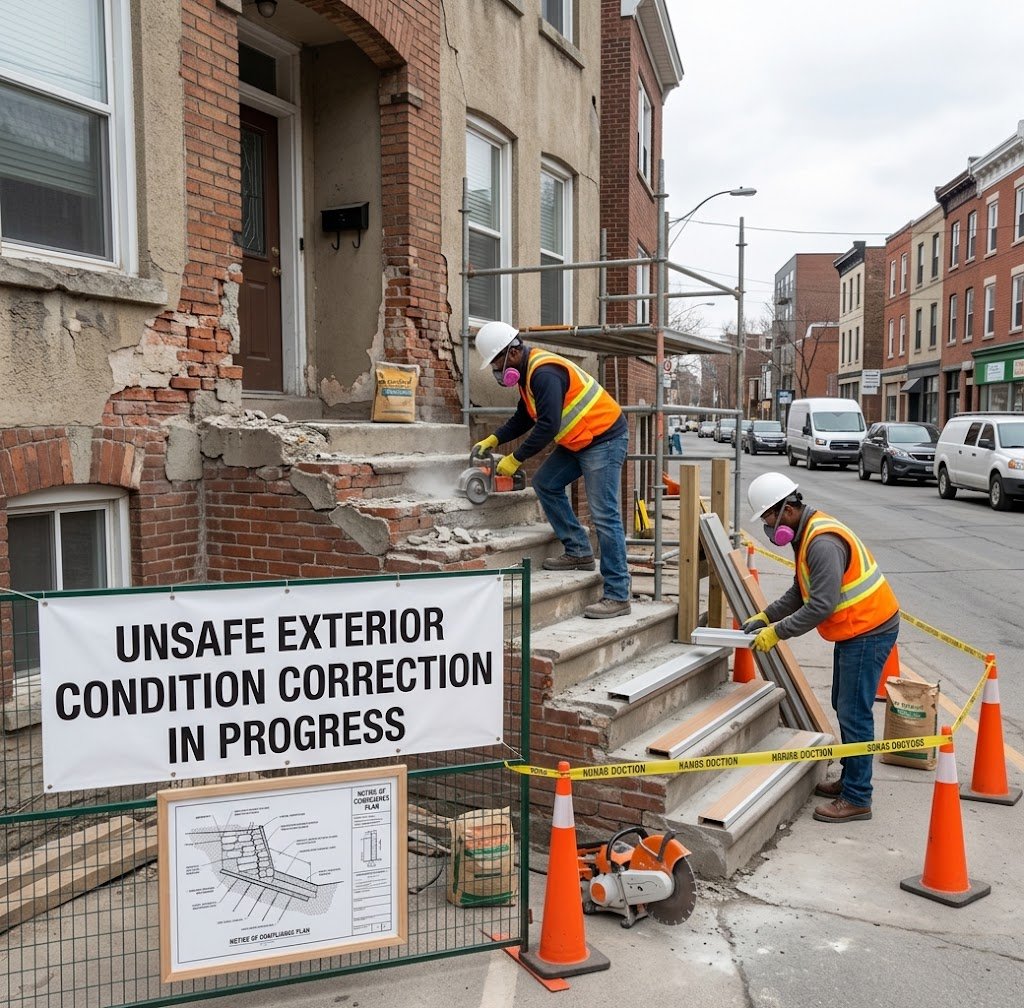
Unsafe Exterior Condition Correction

Loose masonry, deteriorated exterior components and other unsafe conditions may require immediate protection and repair. Public-safety measures and permits can be part of the response depending on the condition.

  • Secure affected work area
  • Remove loose material as authorized
  • Repair/rebuild damaged components
  • Coordinate public protection where required
  • Document completed corrective work

Permit & Design-Professional Coordination Support

Some violation corrections cannot be solved by construction alone. When DOB requires plans, permits or professional involvement, the contractor scope must stay aligned with the approved documents.

  • Site information for filing team
  • Construction scope coordination
  • Permit-dependent scheduling
  • Work to approved drawings
  • Closeout-document support

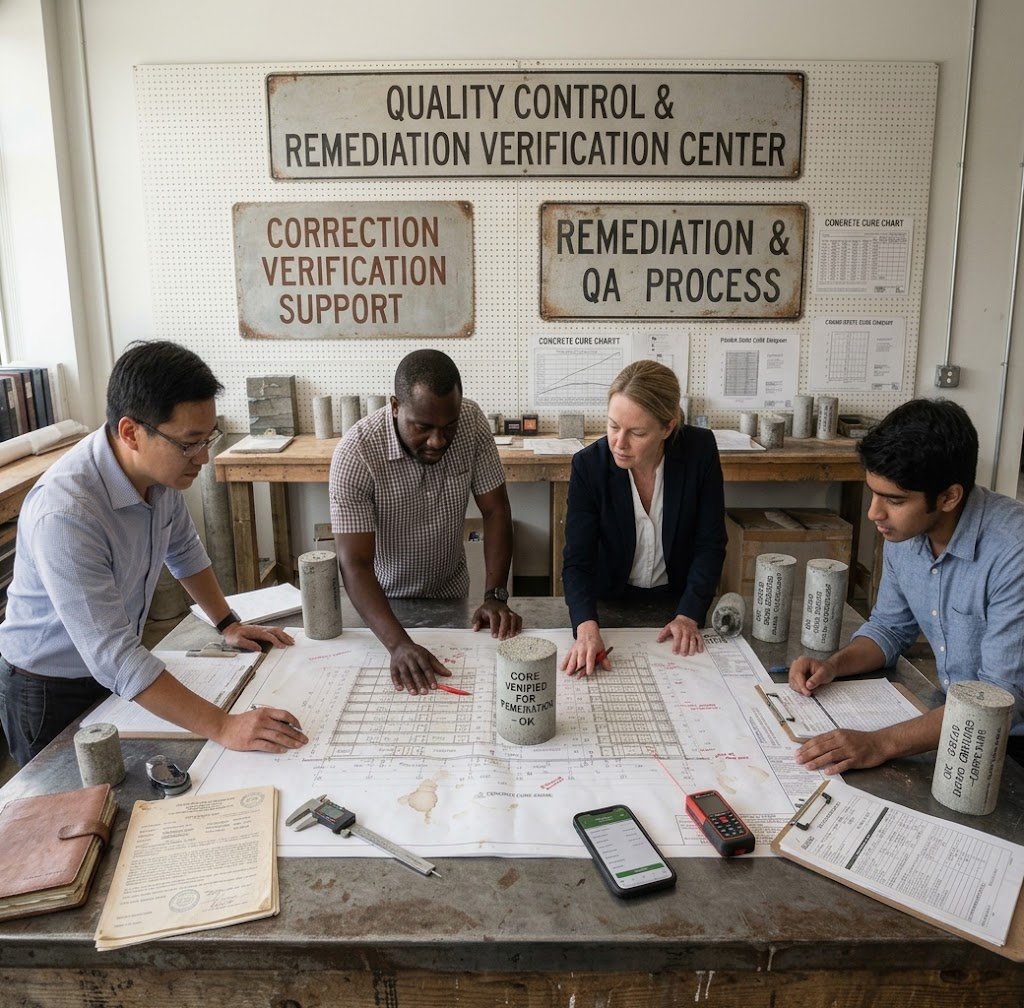
Certificate of Correction Documentation Support

For many DOB OATH summonses, proof of physical correction is part of the Certificate of Correction process. The contractor can help create a clean record of what was repaired while the proper submitter/certifier completes the agency process.

  • Before/after condition photos
  • Invoices and work descriptions
  • Permit references when applicable
  • Corrector information
  • Support for DOB NOW submission package

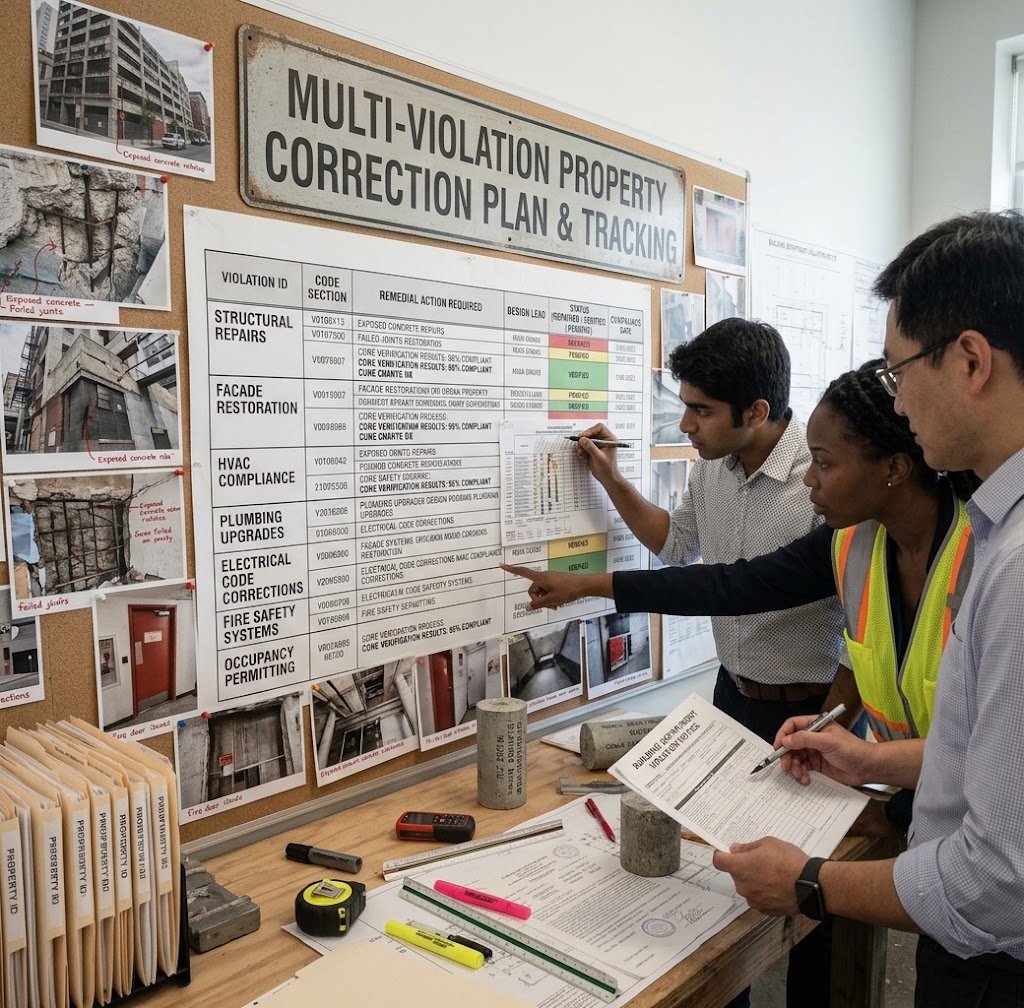
Multi-Violation Property Correction Plan
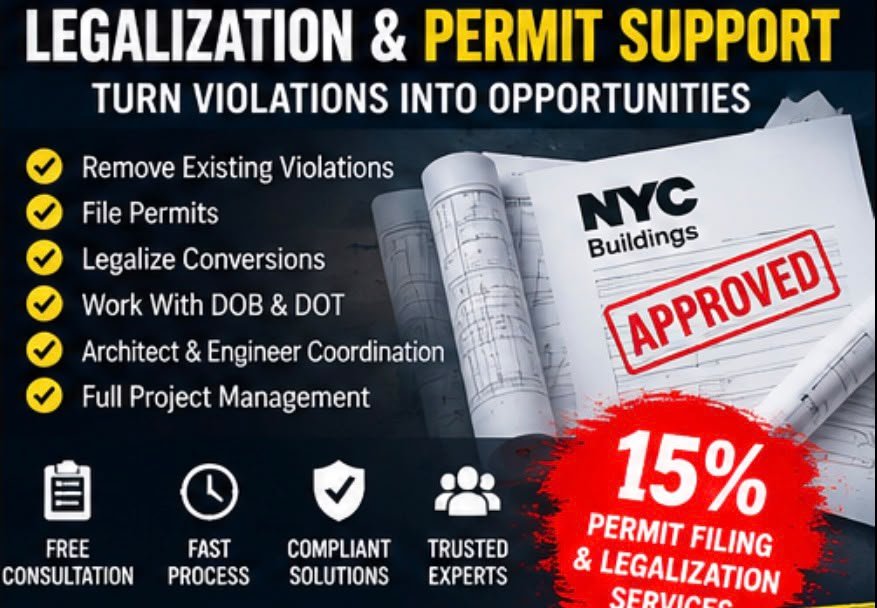
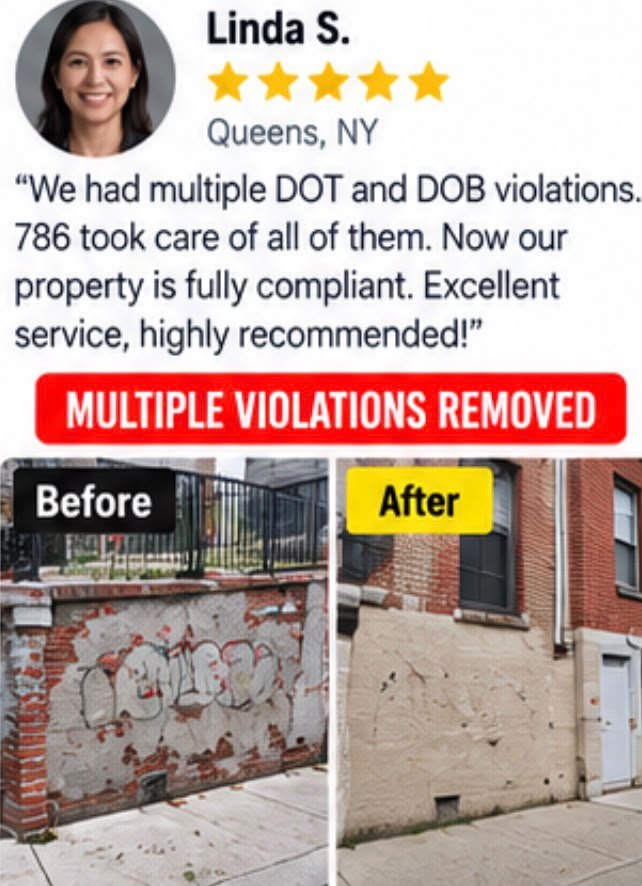
Properties sometimes have several open items from different agencies or different dates. A useful plan separates each violation, identifies the responsible agency, groups related construction work and tracks what still needs filing, inspection or professional action.

  • Violation-by-violation scope matrix
  • Repair prioritization
  • Combined site mobilization where practical
  • Agency-specific closeout tracking
  • Final contractor documentation package

Testimonials

Special Offers

Take Advantage of these great
offers from 786 builders

With free Inspections and estimates, simply submit a Free Quote request to get started.

Meet Our Team

How It Works

1

Planning

Planning is the first step where project requirements, scope, and budget are defined.

2

Approvals

Approvals involve getting all necessary permits and legal permissions from relevant authorities before work begins.

3

Design

Design includes creating detailed plans, layouts, and structural drawings based on client needs

4

Construction

Construction is the execution phase where the actual building work is carried out according to approved designs

5

Completion

Completion is the stage where all construction work is finalized and finishing touches are added

6

Scrubbing & Transferring

Scrubbing & Transferring involves final cleaning, quality checks, and handing over the completed project to the client

Connect with out local team,
Schedule your free Consultation below!

Fast Response

We respond to all estimate requests in 24 hrs or less.

Professional Advice

We can help you plan your next roofing project

Pressure Estimate

Free Estimate and no high pressure sales tactics

Satisfaction Guaranteed

Pay only once the job when you're satisfied

Frequently Asked Questions FAQs

DOT violations involve issues related to the New York City Department of Transportation, such as sidewalks, streets, curbs, and other transportation-related property conditions. DOB violations are issued by the Department of Buildings for building code, construction, safety, or permit-related issues.

You can check your property’s violation records through NYC’s official online systems. A professional violation correction service can also help review the records and determine what needs to be addressed.

Correcting a DOB violation typically involves identifying the underlying issue, completing the required repairs or work, obtaining permits when necessary, and submitting the appropriate documentation to the DOB for resolution.

DOT violations generally require the property owner to correct the condition identified in the notice, such as damaged sidewalks, curbs, or other public-right-of-way issues. Depending on the violation, inspections, permits, or supporting documentation may also be required.

Yes. A qualified violation correction professional can help identify the requirements, coordinate necessary repairs or filings, prepare documentation, and guide the property owner through the resolution process.

The timeframe varies depending on the type and severity of the violation, the work required, permit requirements, inspections, and agency processing times. Simple violations may be resolved relatively quickly, while more complex cases can take longer.

Unresolved violations may result in additional penalties, fines, enforcement actions, or other complications. Some violations can also create problems when selling, refinancing, renovating, or obtaining permits for a property.

Some violation corrections require permits, while others may not. The requirements depend on the specific violation and the work needed. It is important to confirm the applicable DOB requirements before beginning work.

Many older or complicated violations can be addressed, but the appropriate process depends on the violation history and the current condition of the property. A professional can review the records and determine the steps needed for resolution.

The cost depends on the type of violation, required repairs, professional services, permits, inspections, and filing requirements. A property-specific assessment is usually needed to provide an accurate estimate.

Contact form

Scroll to Top