A plan built around affected fixtures, piping, access and licensed trade coordination.
Explore our services below. Tap a service to see the work and details.
More about our plumbing services
A clean service-page planning document for foundation repair in New York City. The keyword library is intentionally separated from the customer-facing copy so pages can be written naturally. Do not place all keywords on one page. Use only the phrases that genuinely match the service, borough, neighborhood, and customer intent.
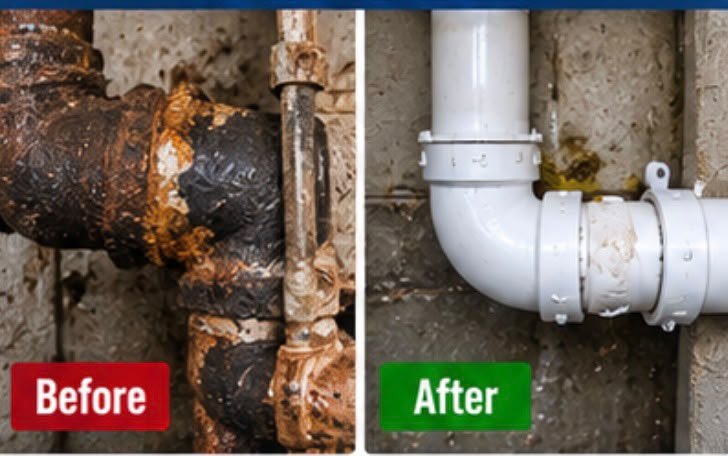
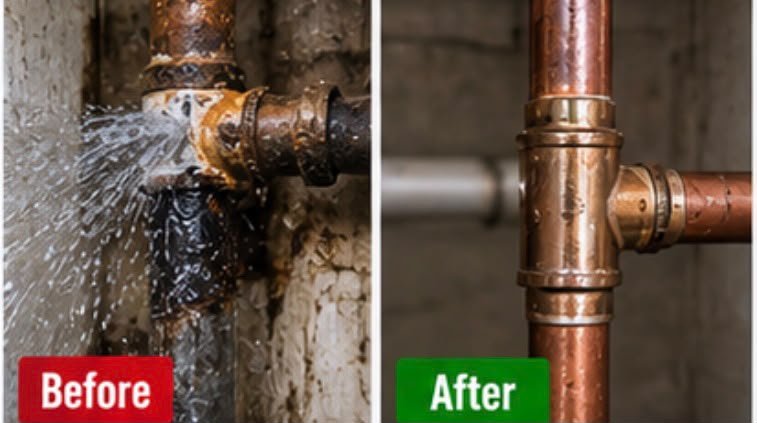
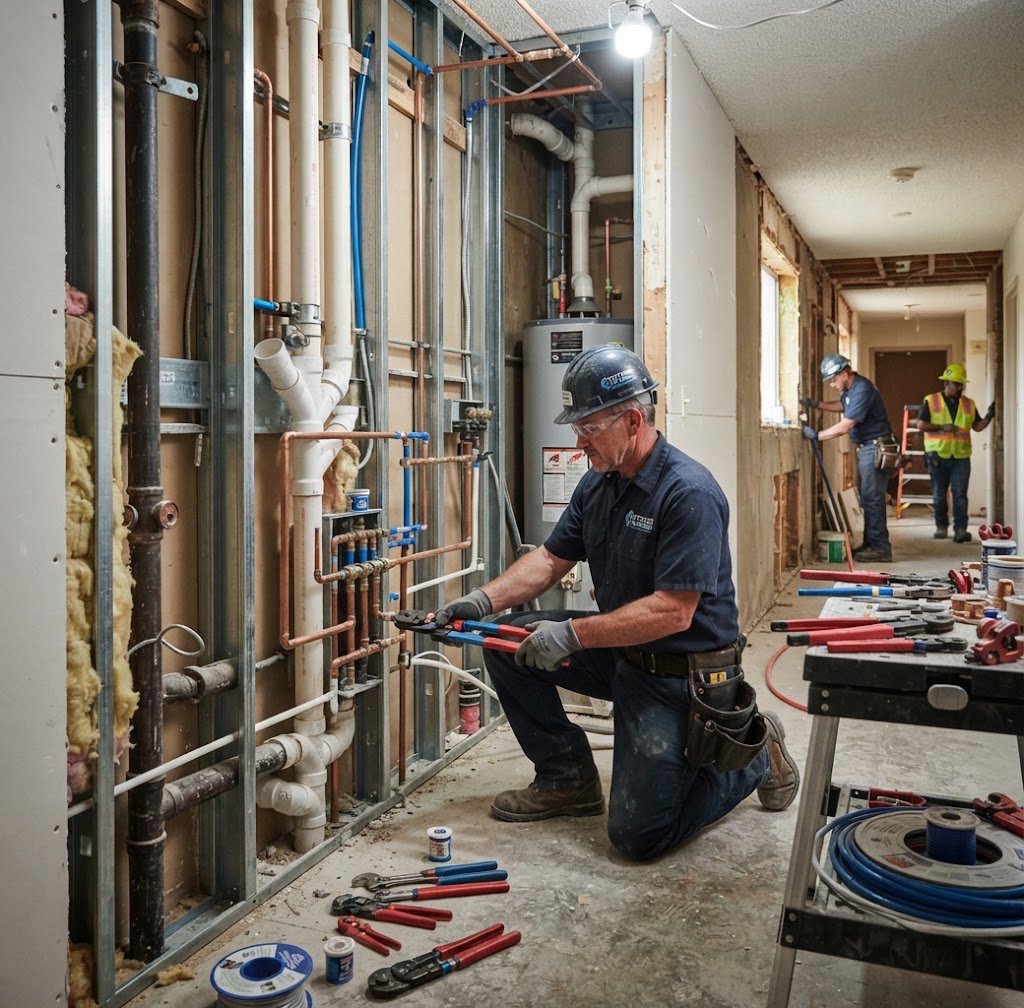
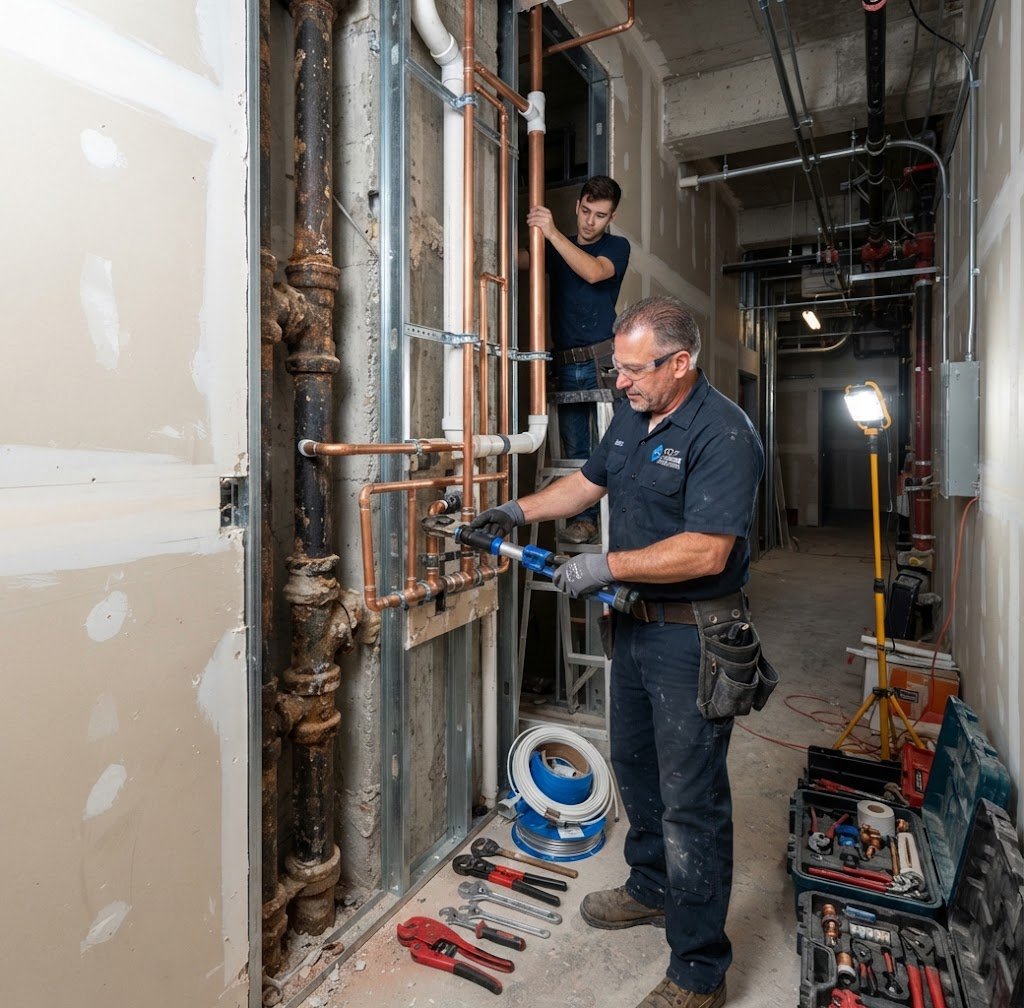
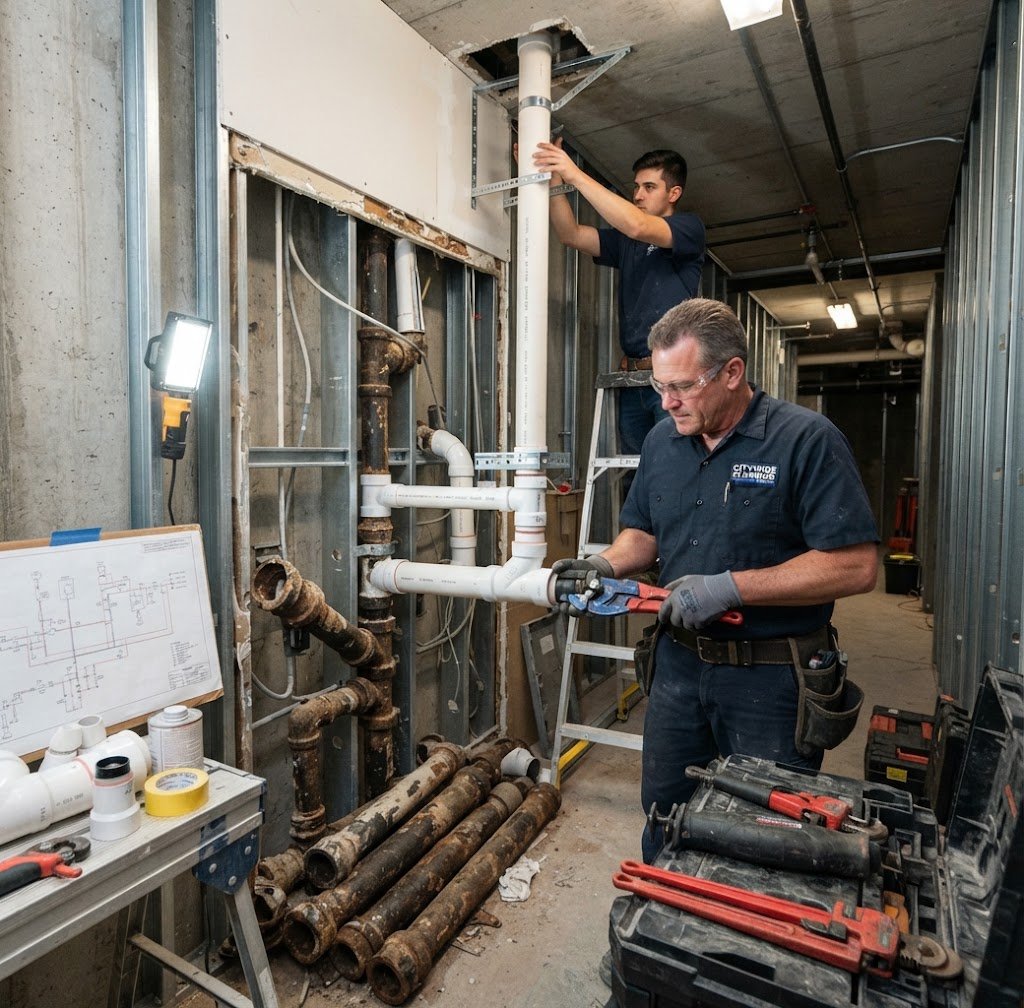
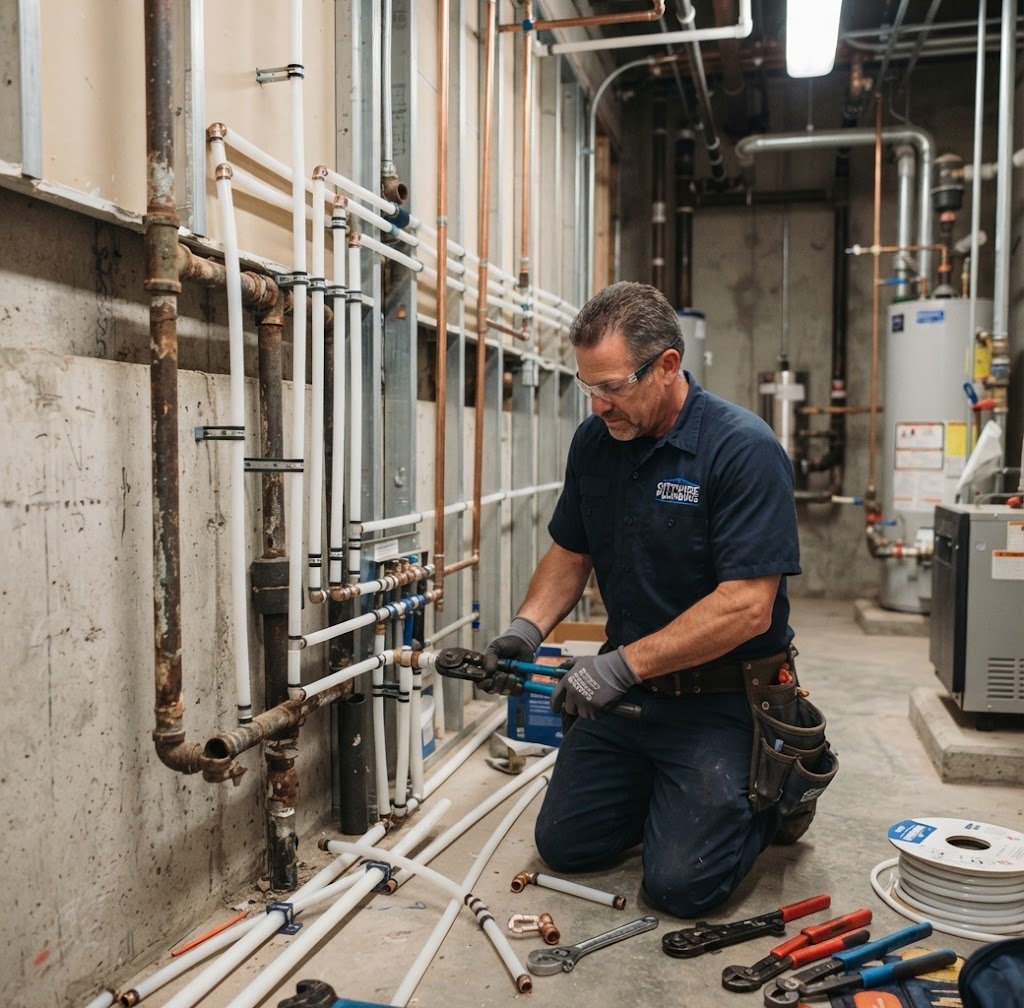
Older buildings can accumulate layers of repairs, mixed pipe materials, low water pressure, recurring leaks, and inaccessible deteriorated lines. A whole-building repipe replaces major sections of the domestic water or drainage system in a planned sequence instead of continuing with isolated emergency patches. The scope begins with field verification of risers, branches, fixtures, shutoffs, equipment, access points, and occupied areas.
Pipe sizing, materials, routing, valves, supports, penetrations, and restoration requirements are coordinated before demolition begins. In multi-family and commercial properties, shutdowns should be phased so tenants and businesses receive clear notice and disruption is controlled. Walls and ceilings may need selective opening to reach concealed piping.
Where required, licensed plumbing professionals handle permits, inspections, testing, and sign-off. A successful repipe leaves the property with organized new piping, dependable shutoffs, improved serviceability, and a clear system that is easier to maintain for years.
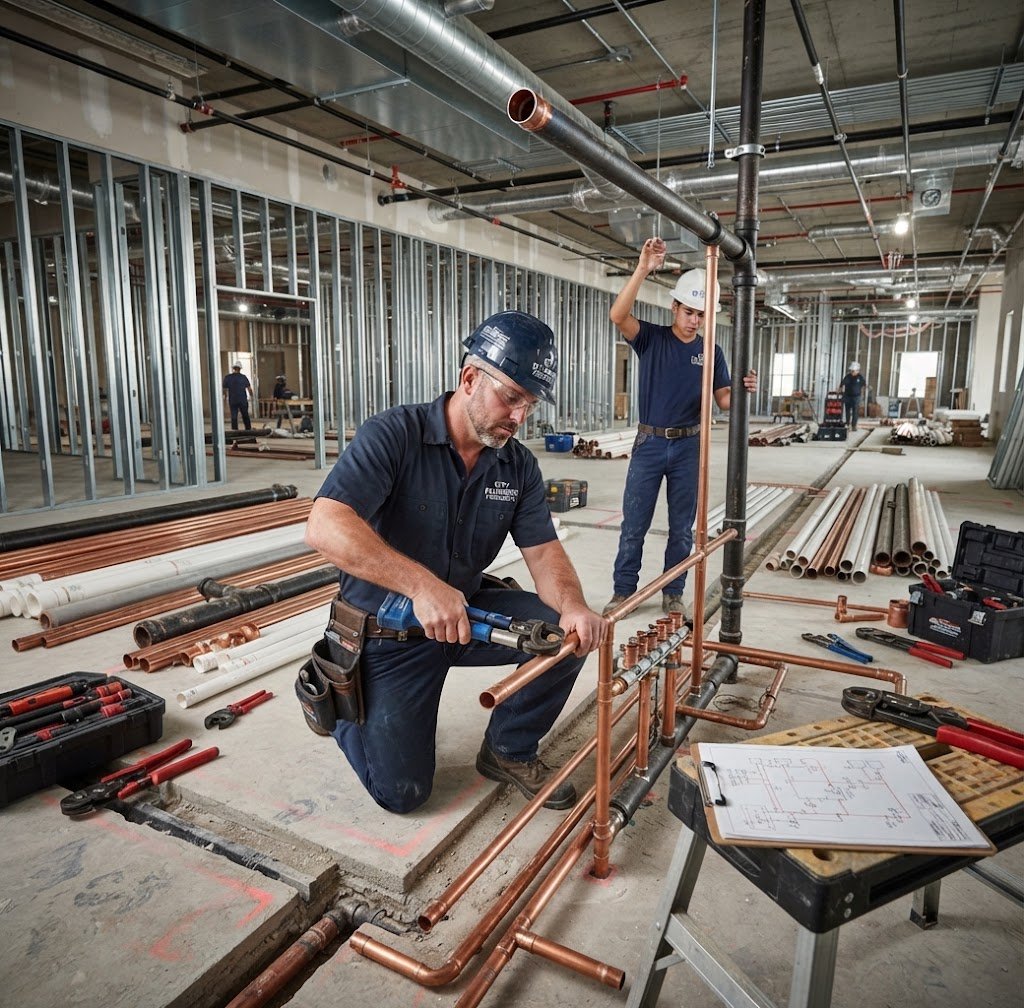
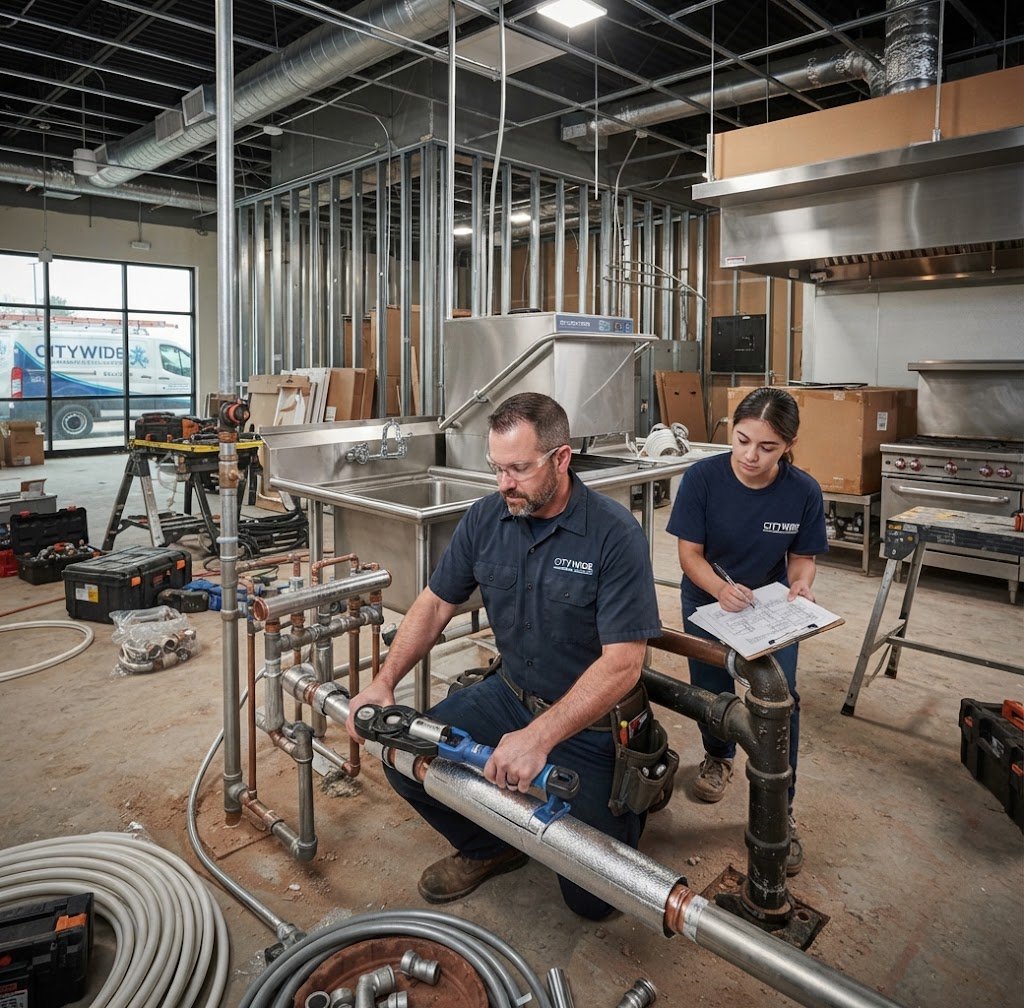
Commercial build-outs can involve substantial plumbing work for restaurants, retail stores, offices, medical spaces, salons, gyms, laundries, and other tenant uses. The plumbing scope should be coordinated with architectural plans, equipment schedules, kitchens, bathrooms, mechanical systems, and finish layouts before rough work begins. Typical work can include new domestic water lines, sanitary and vent piping, floor drains, fixtures, service sinks, equipment connections, water heaters, grease-related components, and required shutoffs.
Existing conditions should be verified because old drawings do not always match the piping found above ceilings or behind walls. Rough-in must be sequenced with framing and inspections so walls are not closed prematurely. Equipment connections should match manufacturer requirements and approved plans.
Good coordination reduces rework and protects the construction schedule. The finished installation should be clean, accessible for future service, and appropriate for the approved occupancy and business operation.
Apartment buildings and multi-family properties often require plumbing work that affects several units, common areas, basements, risers, and mechanical spaces at the same time. A larger renovation may address aging supply piping, waste stacks, fixture branches, valves, leaking lines, water heaters, and recurring drainage problems. Planning begins with identifying which apartments and common areas are connected to each riser or stack.
Access and shutdowns are then organized so tenants receive advance notice and the building can remain functional whenever practical. Open walls and ceilings should be protected and restored in a coordinated manner. New valves and accessible service points can make future repairs easier.
Where the scope requires permits, inspections, or licensed plumbing work, those requirements should be built into the schedule from the beginning. The goal is not simply to replace visible pipes, but to improve reliability throughout the affected portion of the building.
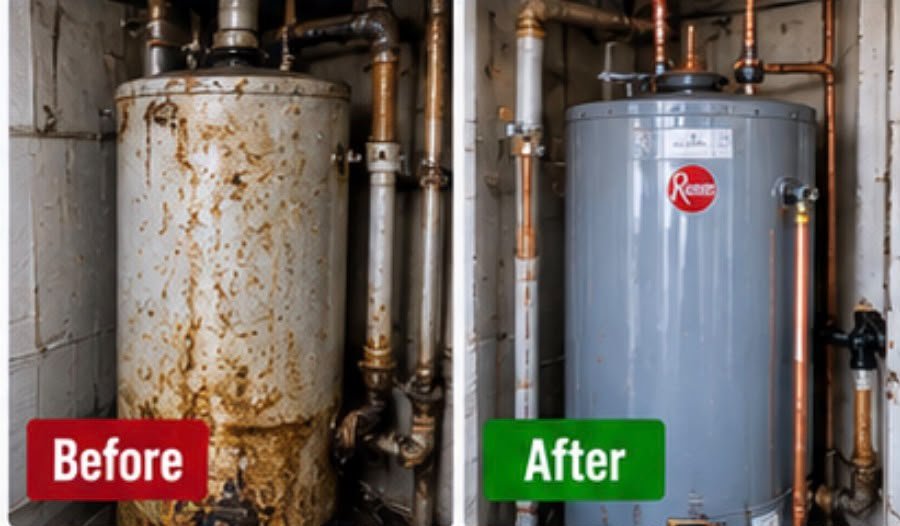
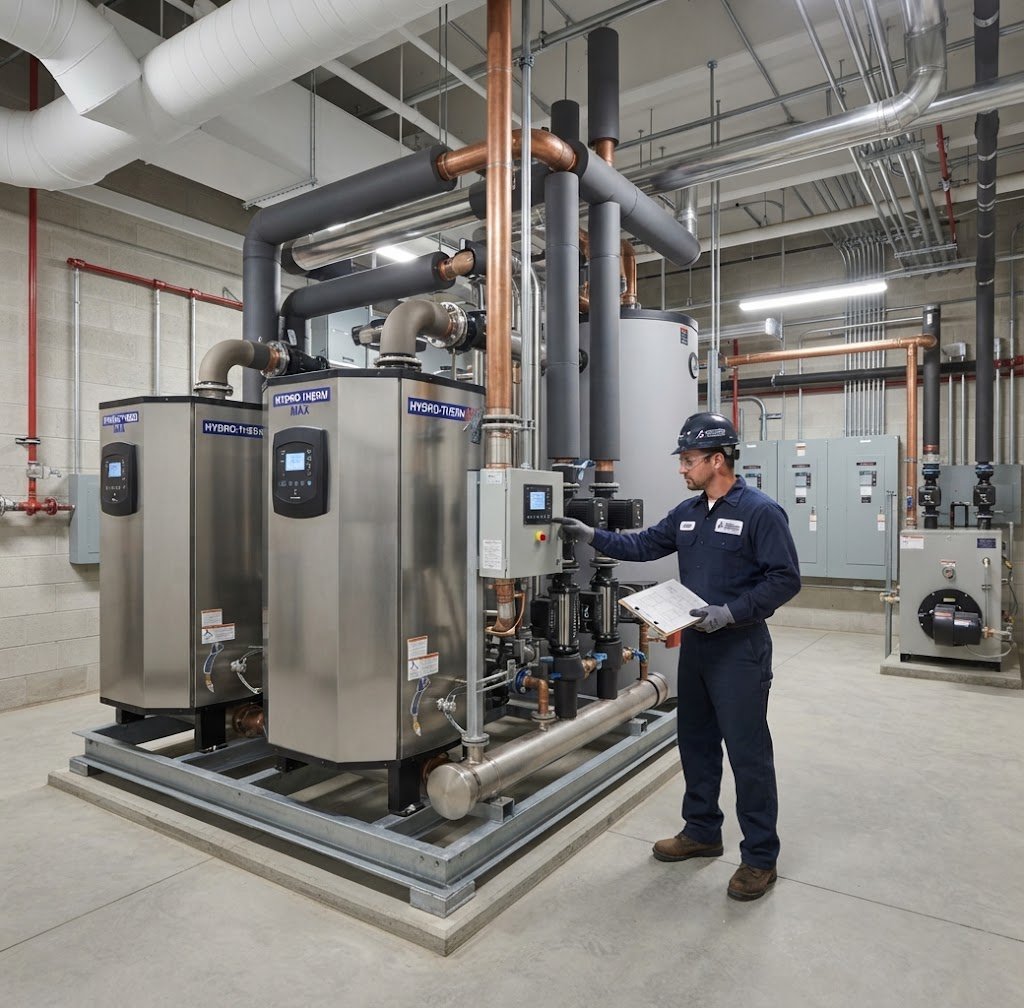
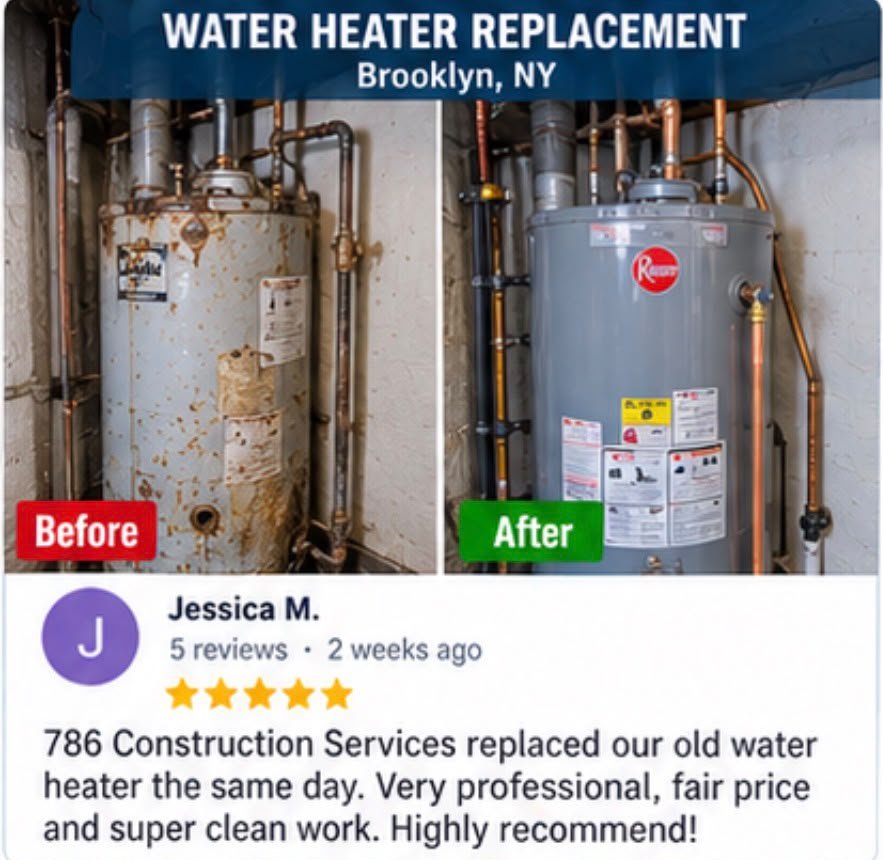
Restaurants, apartment buildings, gyms, salons, medical offices, laundries, and other commercial properties can have substantial hot-water demand. A commercial water-heater project should begin with the actual usage pattern, recovery demand, available utilities, venting conditions, equipment location, drainage, and service access. Replacement equipment should not be selected only by matching the physical size of the old unit.
The system may involve storage tanks, high-recovery units, tankless equipment, recirculation, mixing controls, pumps, expansion components, and associated piping. Shutdown and changeover should be planned around business hours or tenant needs. Existing valves, connections, supports, and surrounding conditions are reviewed during replacement.
Required permits, licensed trade work, inspections, and utility coordination should be handled as applicable. The finished system should provide dependable hot water while remaining accessible for future maintenance.
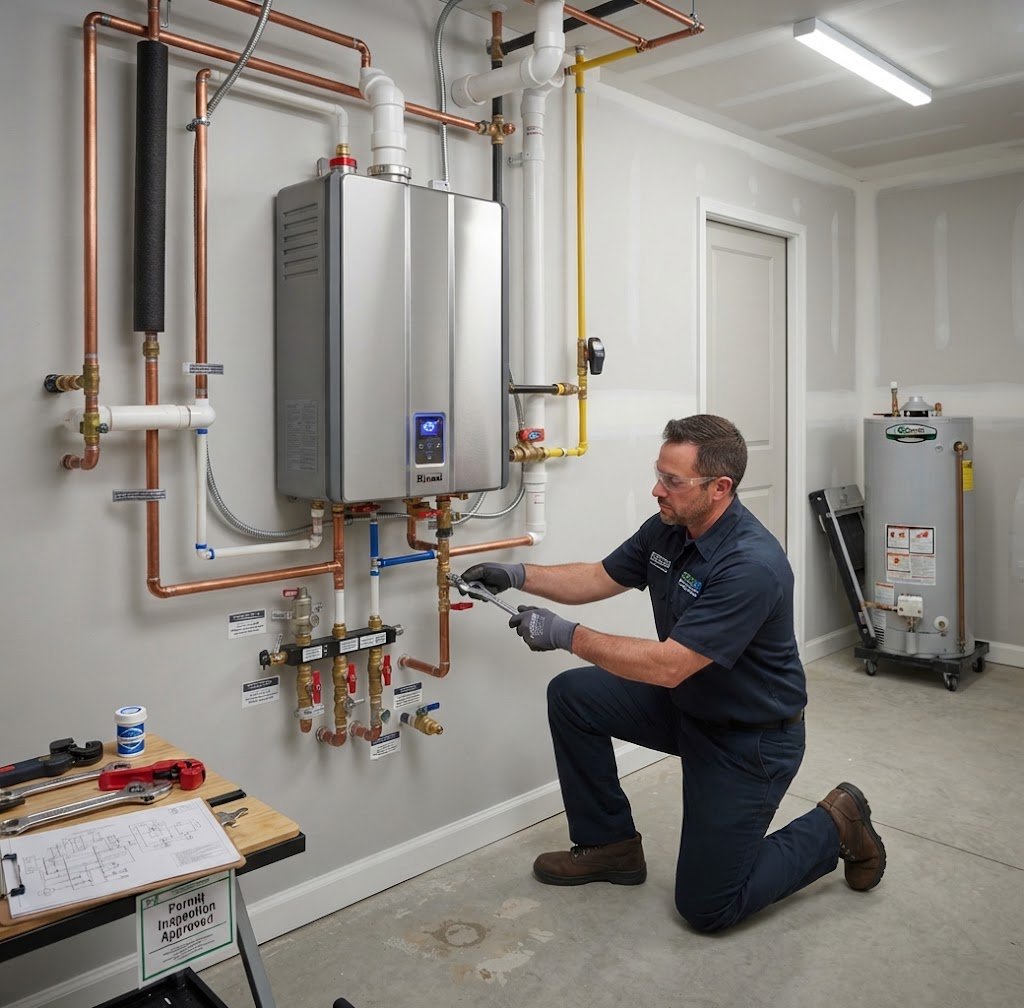
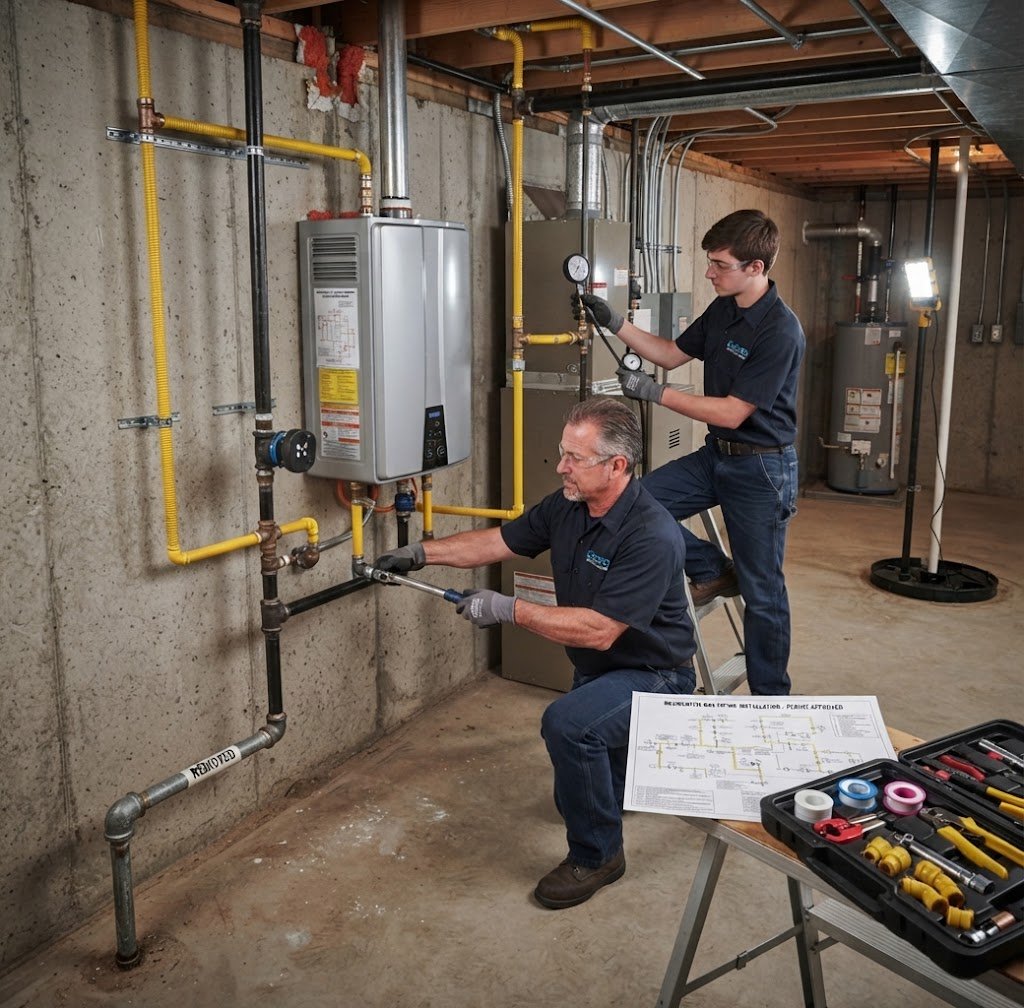
Converting from a traditional storage water heater to a tankless system can be a larger project than a simple equipment swap. The property must have suitable fuel or electrical capacity, venting, water flow, gas sizing where applicable, drainage, clearances, and a practical equipment location. The expected hot-water demand should be reviewed so the new system is not undersized.
Existing piping may require modification, and recirculation may be considered for larger properties or long distribution runs. In commercial or multi-family settings, multiple units or staged systems may be appropriate depending on the approved design. Old equipment and abandoned connections should be removed cleanly.
Startup and commissioning should confirm that the unit operates correctly under expected demand. Any gas, electrical, plumbing, permit, or inspection work must be completed by the properly authorized professionals.
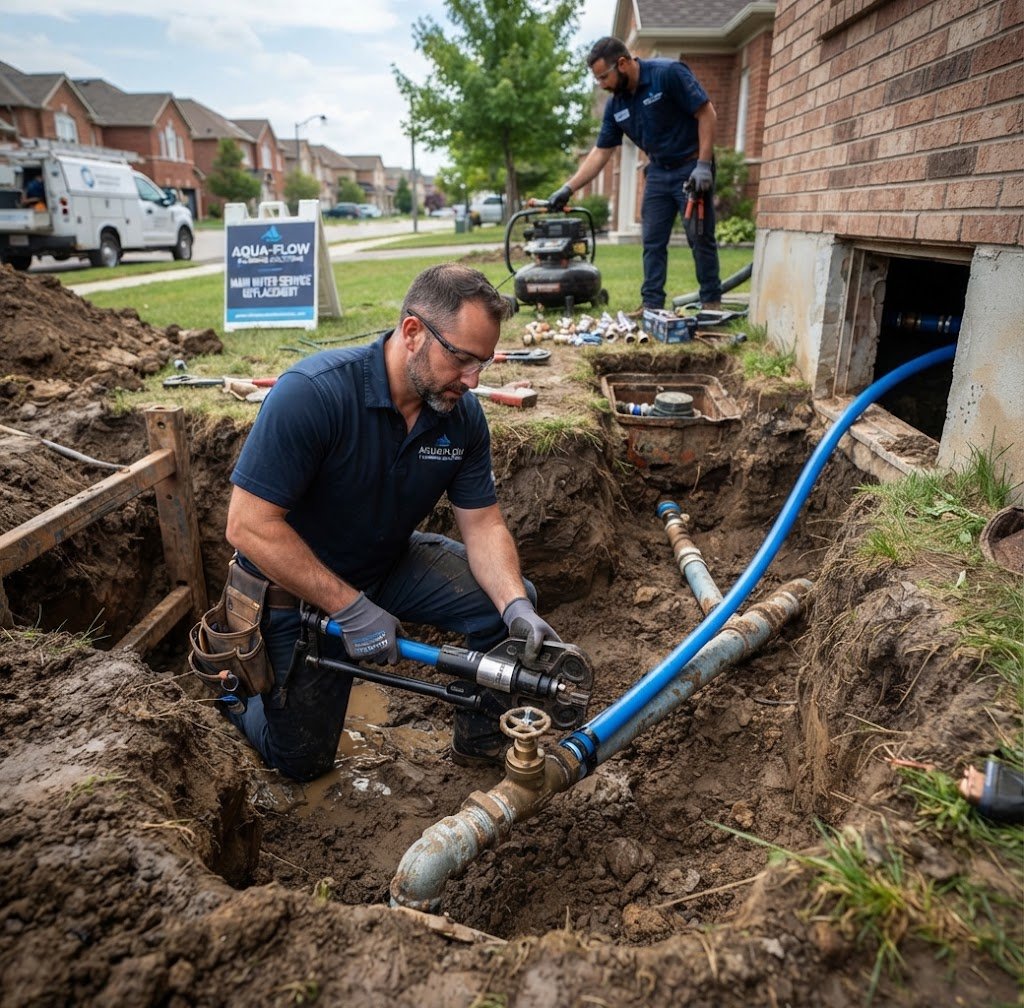
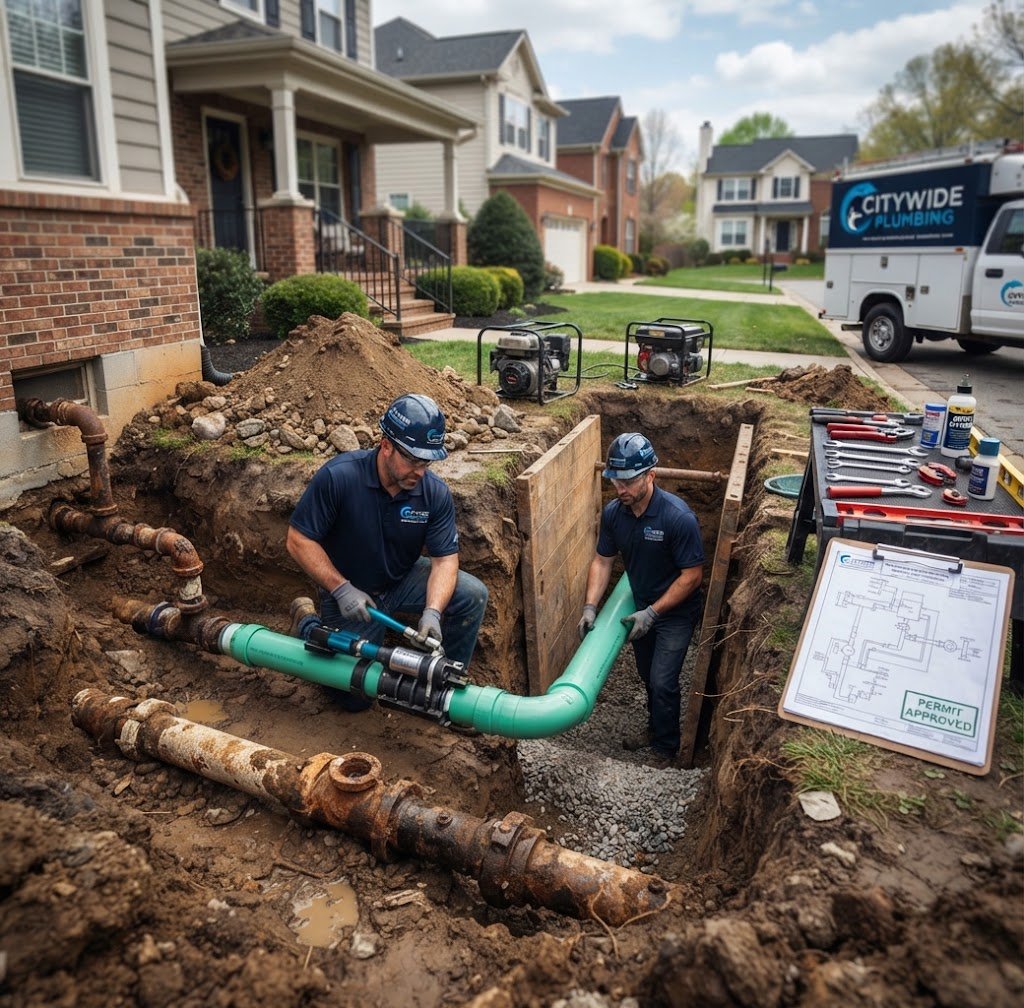
The main water service is the property’s primary connection between the building and the water supply. Deterioration, leakage, inadequate capacity, corrosion, or repeated failures can make full replacement more practical than continued repair. The project requires careful verification of the existing route, service size, entry point, shutoff arrangement, site conditions, and utility or agency requirements.
Excavation may be necessary, and the work area must be protected around sidewalks, driveways, landscaping, and building entrances. New service piping should be installed with suitable materials, depth, protection, and connections for the approved application. Interior distribution may also need adjustment when service size changes.
Testing and restoration are part of the complete scope. Because service work can involve public infrastructure and regulated plumbing work, permits, inspections, utility coordination, and properly licensed professionals may be required.
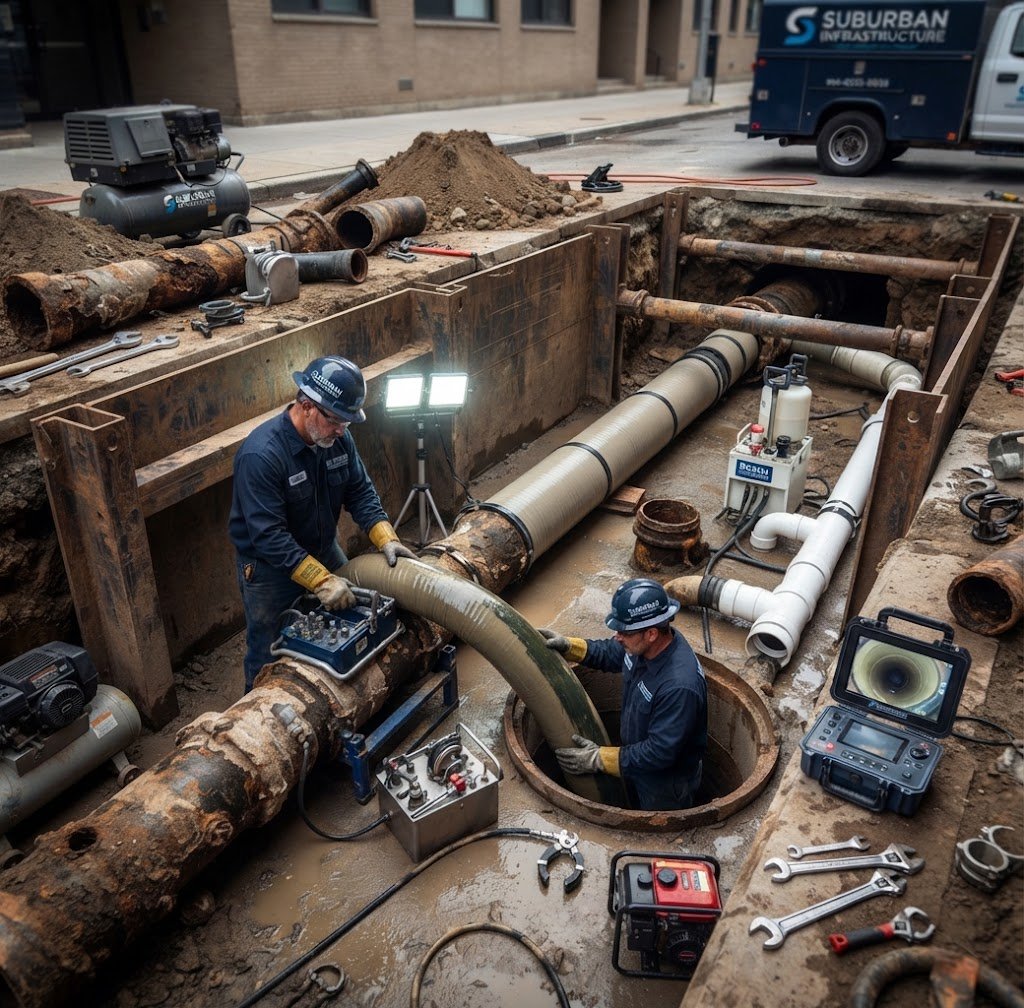
A failing building sewer can cause repeated backups, slow drainage, odors, wet areas, or emergency shutdowns. Larger sewer replacement work starts with determining where the damaged section is located and how the line travels from the building toward the point of connection. Video inspection, accessible cleanouts, site conditions, pipe material, depth, slope, and surrounding utilities all affect the repair plan.
Depending on conditions, work may involve interior excavation, exterior excavation, replacement of deteriorated sections, new cleanouts, and restoration of concrete or finished surfaces. Businesses and occupied buildings need a clear shutdown plan because sanitary service may be temporarily unavailable. The new piping should be installed with appropriate slope, bedding, joints, and access for future maintenance.
Required permits, inspections, and licensed plumbing work should be coordinated before excavation begins.
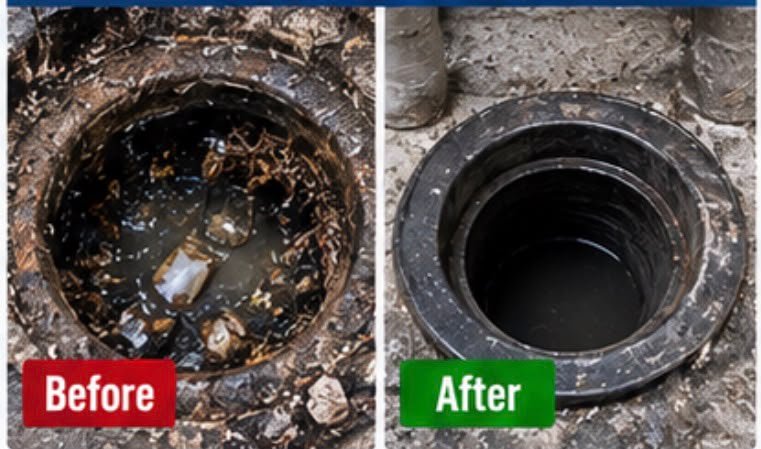
Some properties have widespread drainage problems that cannot be solved with repeated snaking of individual fixtures. A system rehabilitation looks at main lines, branches, stacks, cleanouts, floor drains, and recurring blockage locations as one connected drainage network. Video inspection and field observations can help identify collapsed pipe, heavy scale, root intrusion, poor slope, damaged joints, or sections that have reached the end of their useful life.
The repair plan may combine cleaning, localized replacement, larger pipe replacement, new cleanouts, and access improvements. In restaurants and commercial properties, grease and heavy-use conditions should be considered as part of the maintenance plan. Work can be phased to reduce downtime.
The objective is to correct the recurring cause of backups and leave the system easier to inspect and maintain.
Vertical plumbing risers serve multiple floors and can become a major source of leaks and disruption when they deteriorate. Riser replacement requires careful planning because one pipe may serve many apartments, bathrooms, kitchens, or commercial spaces. The existing route, branches, valves, penetrations, and access points should be mapped before demolition begins.
Work is commonly phased floor by floor or stack by stack so shutdowns remain controlled. Selective openings in walls, shafts, or ceilings may be required, followed by coordinated restoration. New risers should be properly supported and arranged with accessible valves or service points where appropriate.
Firestopping and penetrations must be restored as required. In occupied buildings, tenant communication is as important as the piping itself. The finished system should provide dependable vertical distribution and simplify future maintenance.
Old waste and vent stacks can develop cracks, corrosion, failed joints, recurring leaks, and drainage problems across several floors. Replacement is a significant plumbing project because stacks are often concealed inside walls or chases and connect to many branch lines. The work begins by identifying all fixtures and floors connected to the affected stack.
Openings are then planned so piping can be replaced without unnecessary demolition. Branch connections, supports, cleanouts, roof penetrations, and fire-rated assemblies must be coordinated. Occupied units require a controlled schedule because bathrooms and kitchens may be temporarily unavailable.
Testing should be completed before walls are closed. Where required, the project must follow applicable permit, inspection, and licensed plumbing requirements. A properly replaced stack improves reliability and reduces the risk of hidden leakage between floors.
Restaurant plumbing is a high-demand system that supports sinks, prep areas, dishwashing, cooking equipment, floor drains, restrooms, water heaters, and other specialized equipment. New or renovated kitchens should be laid out around the actual equipment schedule rather than rough estimates. Water, waste, vent, indirect waste, drainage, and equipment connections need to be coordinated with kitchen fabrication, electrical, gas, HVAC, and fire-suppression work.
Heavy use means access for cleaning and maintenance should be considered from the beginning. Grease-related requirements and drainage design can have a major effect on the scope. Existing services should be checked before larger equipment is added.
Construction should be sequenced around inspections and finish installation. A well-planned commercial kitchen plumbing system helps the restaurant operate smoothly and makes future service more manageable.
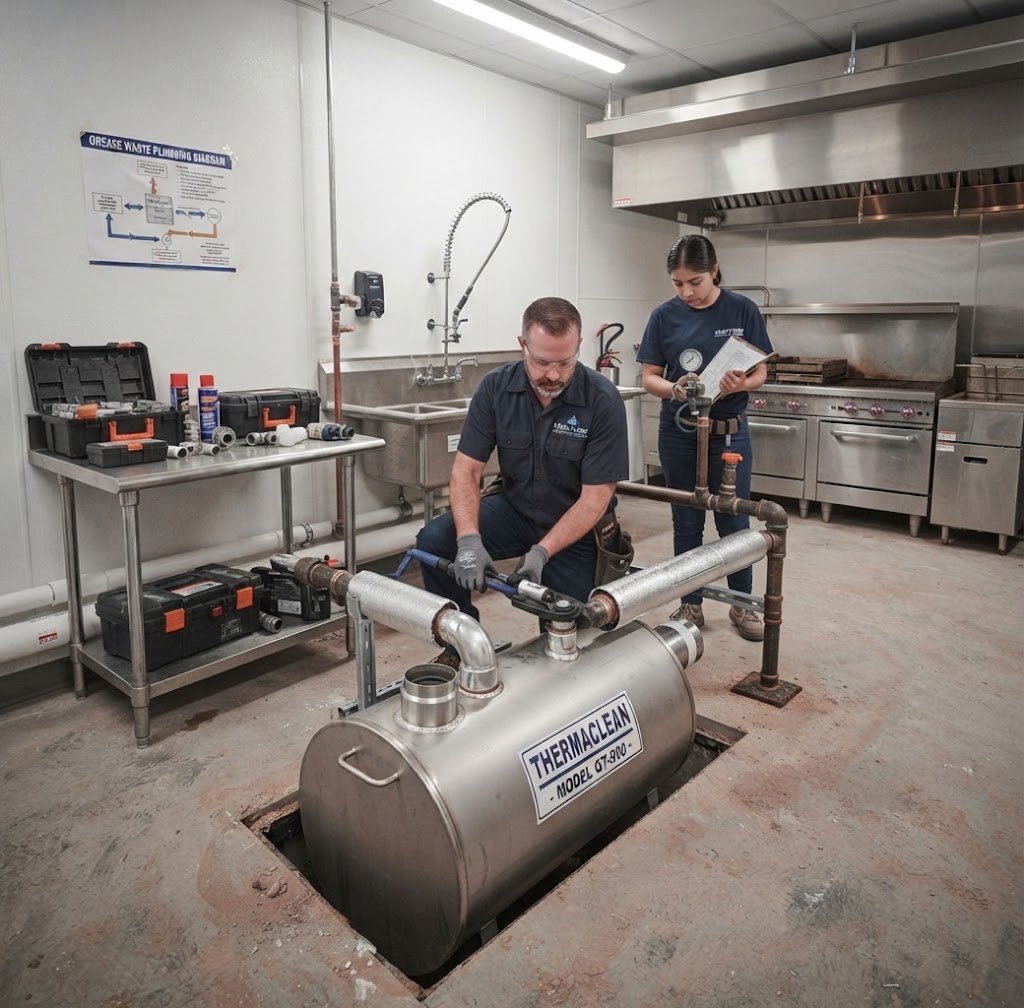
Food-service properties may require grease-control systems to protect drainage piping and meet applicable requirements. The correct approach depends on the type of operation, fixture load, approved design, available space, access for maintenance, and local rules. A project can involve grease interceptors, dedicated waste piping, venting, cleanouts, equipment connections, excavation, or modifications to existing drainage.
The interceptor must remain accessible for routine service after the kitchen is complete. Improper routing or undersized components can create odors, backups, and maintenance problems. Installation should be coordinated closely with kitchen equipment and floor elevations.
Because grease systems can be regulated and may require design or agency review, the work should follow approved plans and licensed professional requirements. The finished system should be practical to clean and maintain.
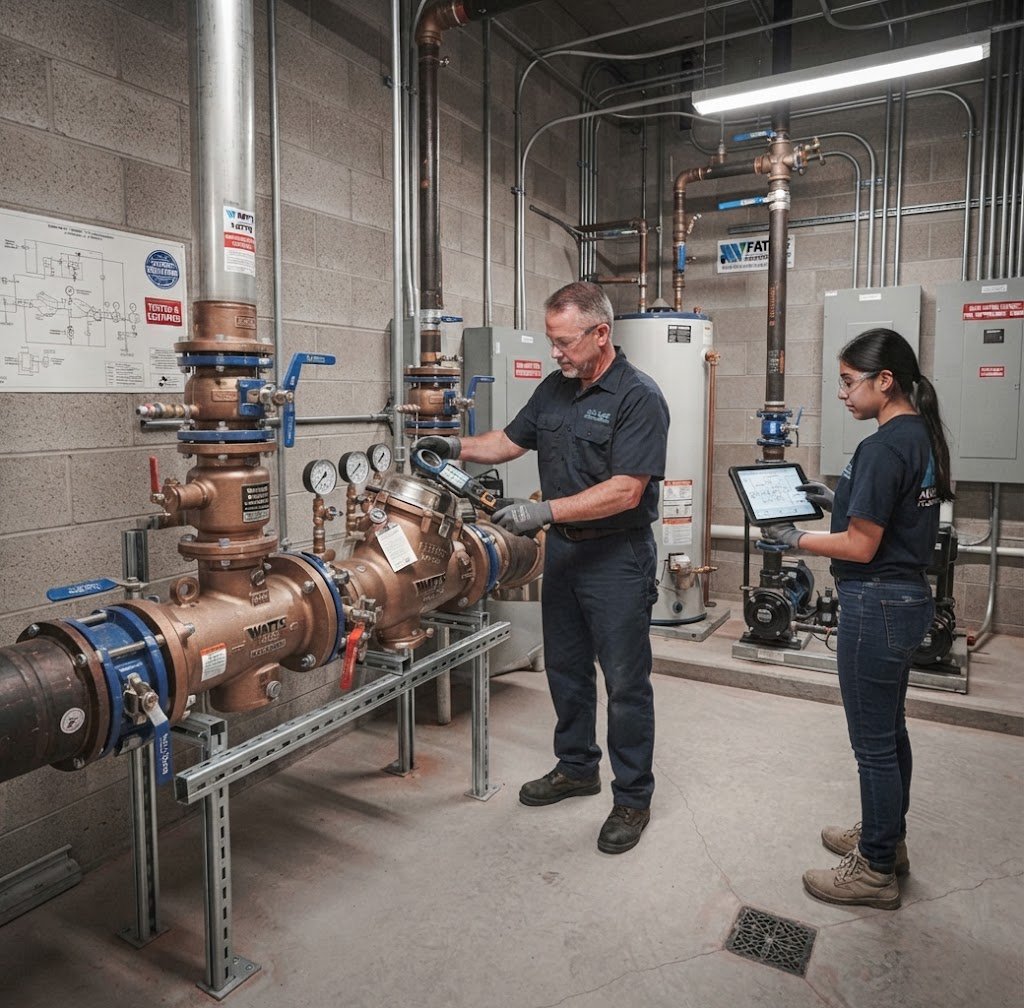
Backflow prevention protects the potable water system from undesirable reverse flow conditions. Commercial properties may require specific devices based on building use, equipment, hazards, and agency requirements. Installation or replacement begins with identifying the required device type, size, location, drainage, access, and existing service arrangement.
Larger assemblies can require substantial piping changes and enough clear space for testing and maintenance. Shutdowns should be planned around business operations or tenant needs. Where certification or testing is required, it must be completed by appropriately qualified professionals.
Repairs should use compatible components and should not compromise the approved assembly. Documentation and required filings should be maintained for the property. A properly installed system should remain accessible, testable, and protected from damage or freezing where applicable.
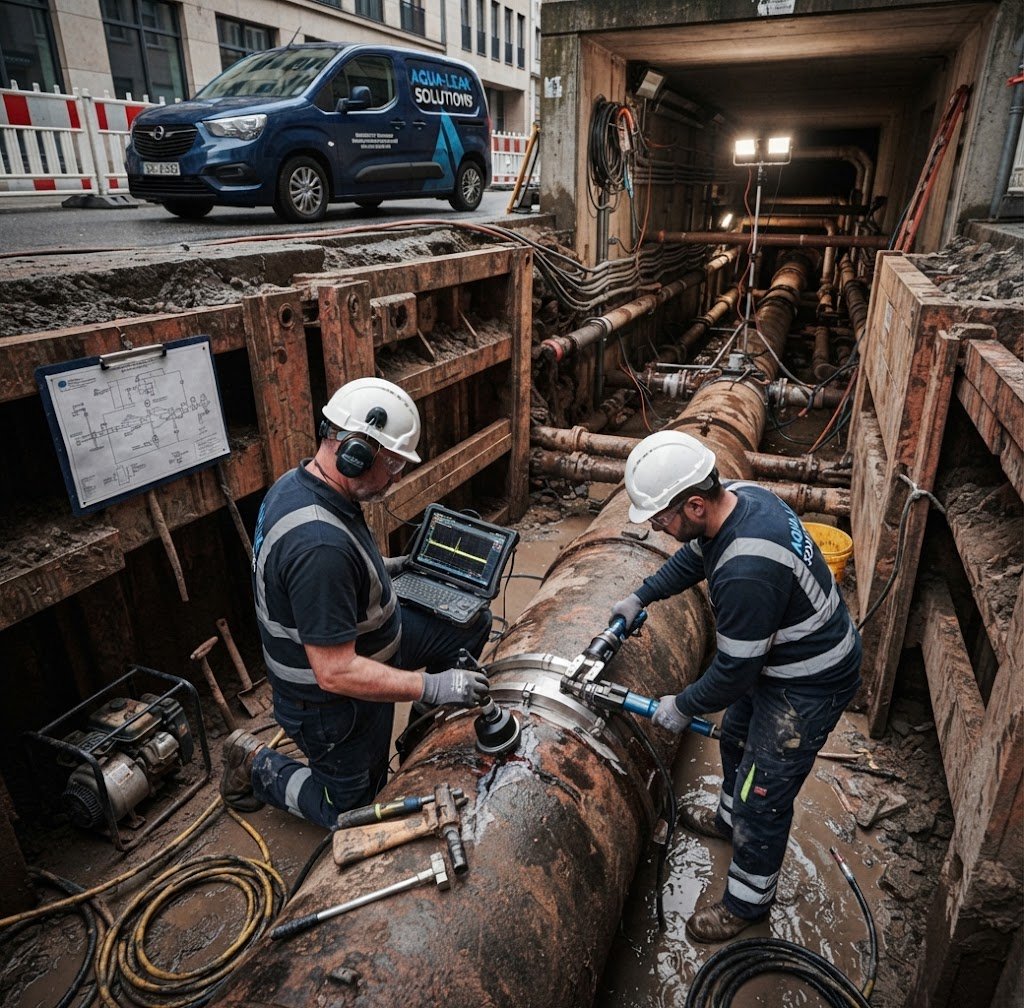
Recurring or hidden leaks in a large property can damage finishes, interrupt tenants, and create significant water loss. A larger leak investigation may involve multiple floors, risers, mechanical rooms, ceilings, walls, and buried piping. The process starts by narrowing the affected system and tracing where water is actually coming from rather than opening finishes at random.
Accessible valves, pressure conditions, visible staining, pipe materials, and usage patterns can all provide useful clues. Once the source is confirmed, the repair can be planned around access and shutdown requirements. Deteriorated neighboring piping should also be evaluated so a new repair is not attached to material that is about to fail.
Restoration should follow after testing confirms the leak is resolved. Larger recurring problems may justify partial or full repiping rather than continued patch repairs.
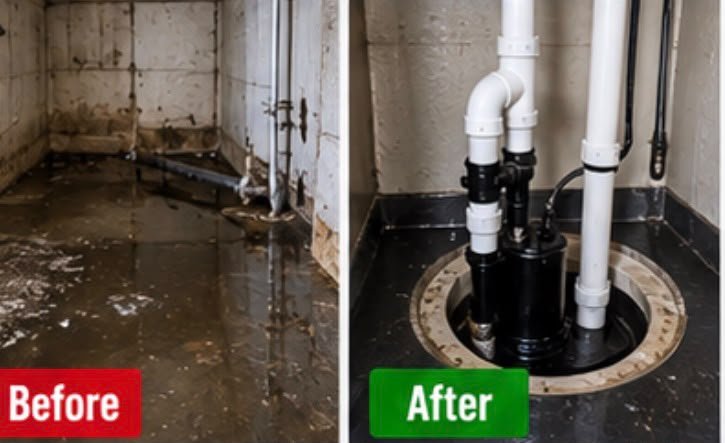
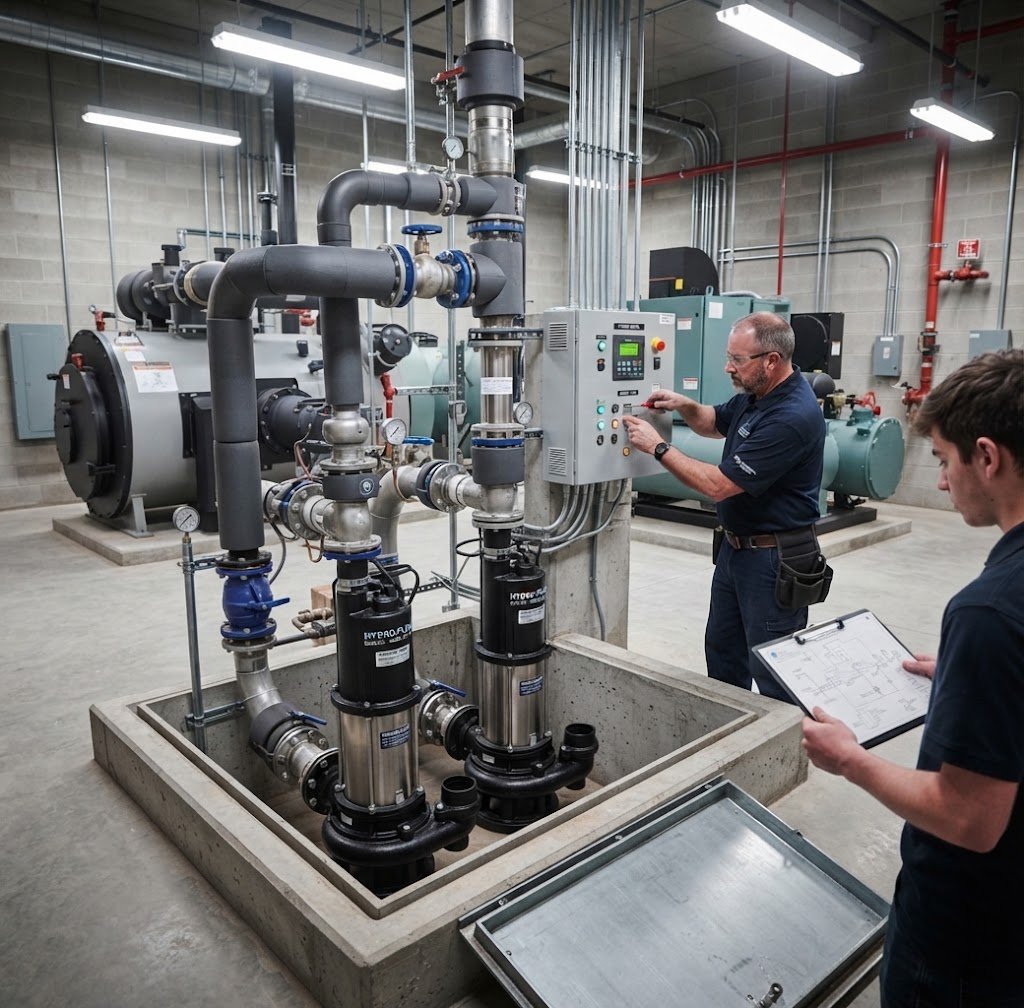
Basements, mechanical rooms, commercial spaces, and below-grade areas may need dependable pumping systems to manage collected water. Larger installations can use duplex pumps, alternating controls, high-water alarms, check valves, backup power arrangements, and dedicated discharge piping. The pump system should be selected around expected water volume, lift, discharge route, basin size, and site conditions.
A single undersized pump may not provide enough protection for a larger property. Access for maintenance is important because pumps and switches require periodic service. Discharge should be routed to an appropriate location and should not create a new water problem around the building.
Electrical components must be coordinated with qualified electrical professionals. The completed system should be tested under operating conditions so the owner understands how it responds to rising water.
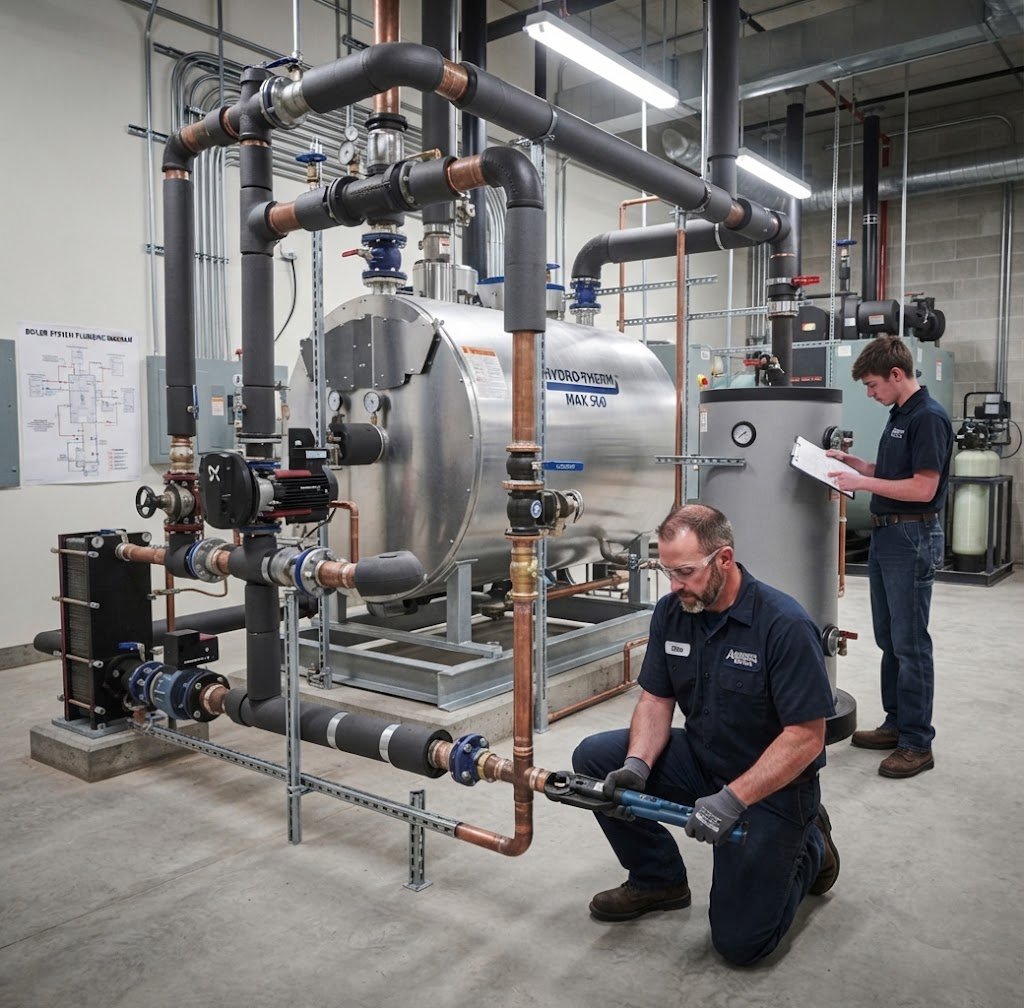
Mechanical rooms can contain boilers, pumps, storage tanks, expansion components, valves, drains, and other equipment that requires substantial plumbing coordination. Plumbing work may include domestic water connections, condensate or drain piping, equipment replacement connections, valves, backflow components, and associated distribution changes. The exact scope depends on the equipment design and the responsibilities assigned to each licensed trade.
Existing mechanical rooms should be surveyed carefully because clearances and access can be limited. Shutdowns must be coordinated around heating, hot water, or business operations. New piping should be supported, labeled where appropriate, and arranged so valves and service points remain reachable.
Any boiler, gas, mechanical, electrical, permit, or inspection work must be completed under the applicable professional and licensing requirements.
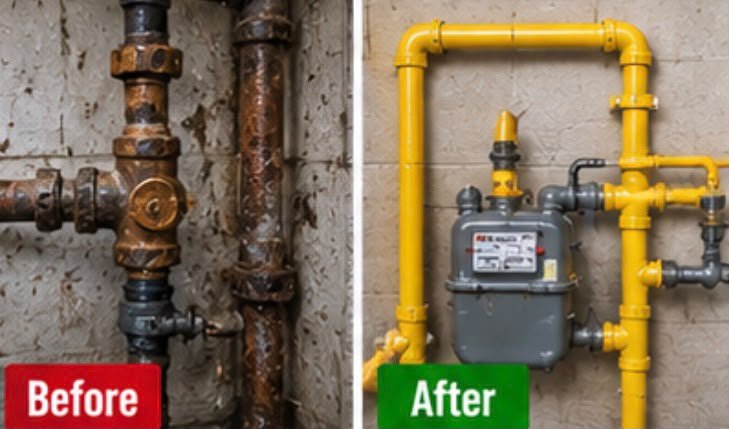
Gas piping is specialized regulated work and should only be handled by properly licensed and authorized professionals under applicable NYC requirements. Larger projects can involve new commercial equipment, restaurant kitchens, boiler rooms, building renovations, or replacement of deteriorated existing gas piping. The scope depends on approved loads, pipe sizing, routing, shutoff locations, equipment requirements, testing, and utility conditions.
Existing gas service and meter arrangements may affect what can be added. Work should be planned so occupied areas remain protected and shutdowns are controlled. Required pressure testing, inspections, filings, and utility procedures must be completed before the system is placed into service.
No gas piping should be improvised or treated like ordinary water piping. The finished installation should match approved plans and equipment requirements.
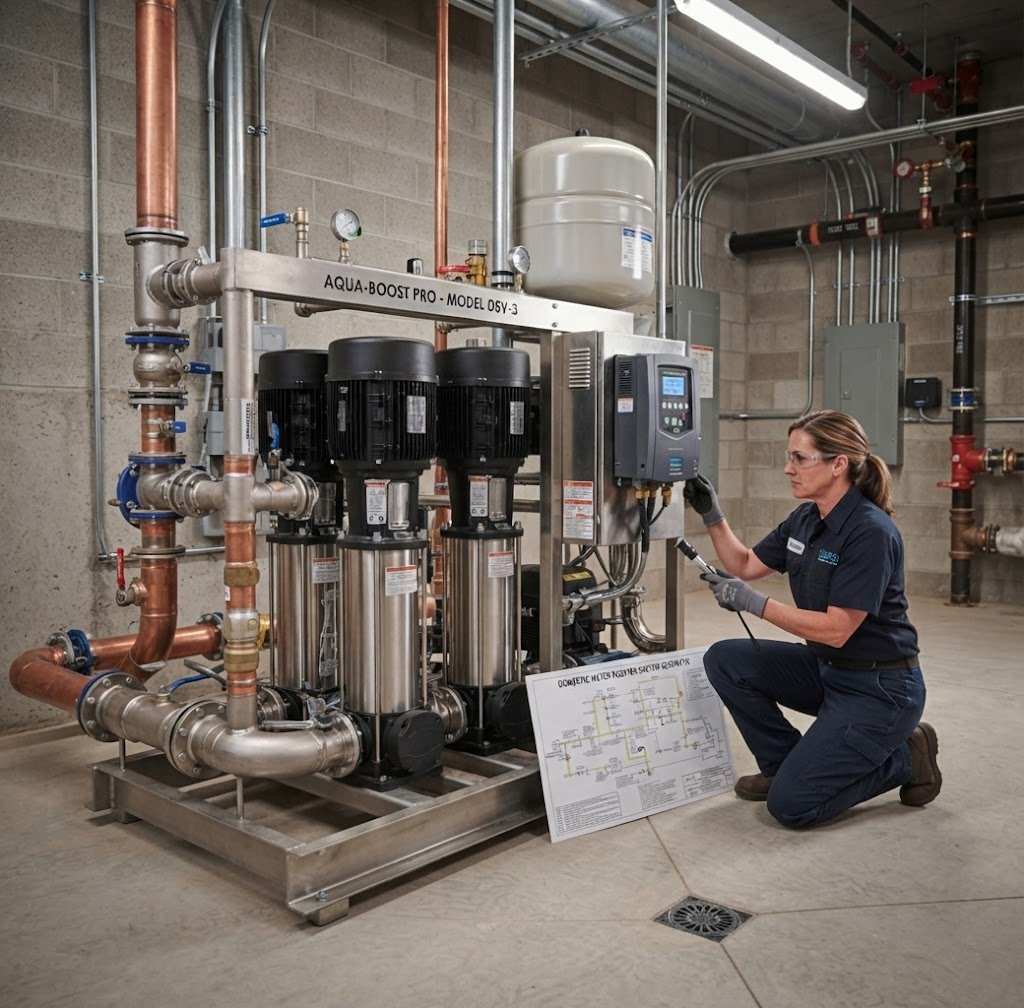
Taller buildings and properties with weak incoming pressure may require booster equipment to provide reliable water service at fixtures and upper floors. A booster system should be selected based on building height, demand, incoming pressure, zoning, controls, and approved design requirements. Installation can involve pumps, controls, tanks, valves, bypass piping, gauges, supports, and electrical coordination.
Mechanical-room layout matters because equipment needs sufficient access for future maintenance and replacement. Noise and vibration should also be considered in occupied buildings. Existing distribution piping should be evaluated so the new equipment is not connected to a system with unresolved restrictions or leaks.
Startup should confirm pressure performance under realistic demand. Significant booster work should follow applicable design, plumbing, electrical, permit, and inspection requirements.
Large restroom renovations can involve far more than replacing visible fixtures. Commercial and multi-user bathrooms may require new water and waste piping, carrier systems, floor drains, flush valves, sinks, faucets, partitions, accessibility coordination, and changes to existing risers or branches. The rough plumbing must match the final wall layout and fixture specifications before finishes are installed.
In occupied buildings, restroom closures should be phased when possible so another facility remains available. Existing piping should be inspected during demolition because hidden deterioration can affect the scope. Fixture carriers and concealed connections must be secured before walls close.
Testing and inspection should occur at the proper construction stage. The finished restroom should be durable, serviceable, and appropriate for heavy daily use.
Emergency Commercial Plumbing & Major Water-Damage Response⌄
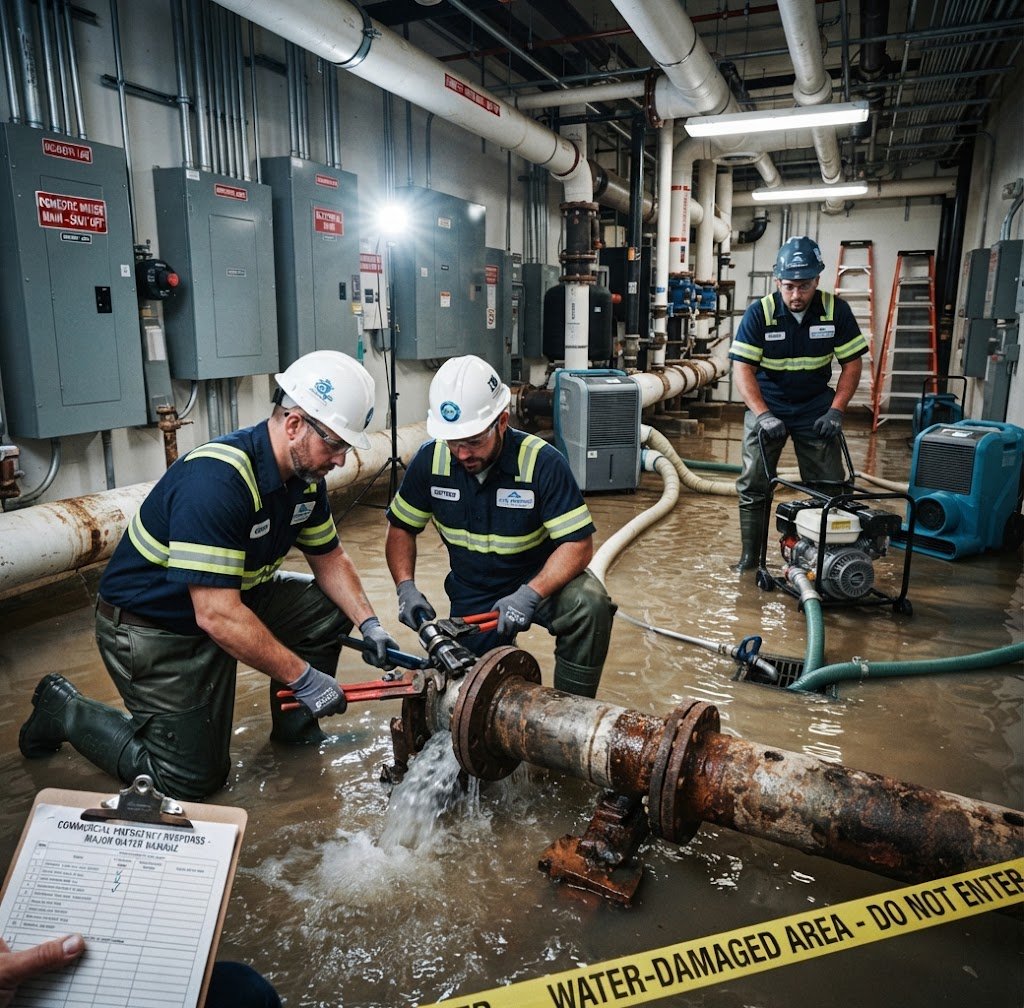
A major plumbing failure can shut down a restaurant, flood a retail space, affect multiple apartments, or damage building systems. Emergency response begins with controlling the active water source and making the affected area safer to work in. Once the immediate flow is stopped, the damaged piping, valves, fixtures, or equipment can be assessed for permanent repair.
Larger incidents may require coordination with property management, tenants, restoration contractors, electricians, building staff, and insurance representatives. Temporary repairs should be clearly identified and followed by a permanent solution where needed. If the failure reveals widespread deterioration, the owner should receive options for broader replacement rather than repeated emergency patches.
Documentation, photos, and a clear scope help everyone understand what was found. Regulated plumbing work should be completed by the properly licensed professionals.
From a home in Queens to a building in Manhattan, your property deserves care. Talk to 786 Construction Services about your plumbing project, with clear advice and a free estimate.
5NYC BOROUGHS
One local team. Across the city.
20PLUMBING SERVICES
Explore the work available for your property.
FREEONSITE ESTIMATES
Understand your options first.
Brooklyn · Queens · The Bronx · Manhattan · Staten Island
GET TO KNOW 786
Your property. Your project. Choose with confidence.
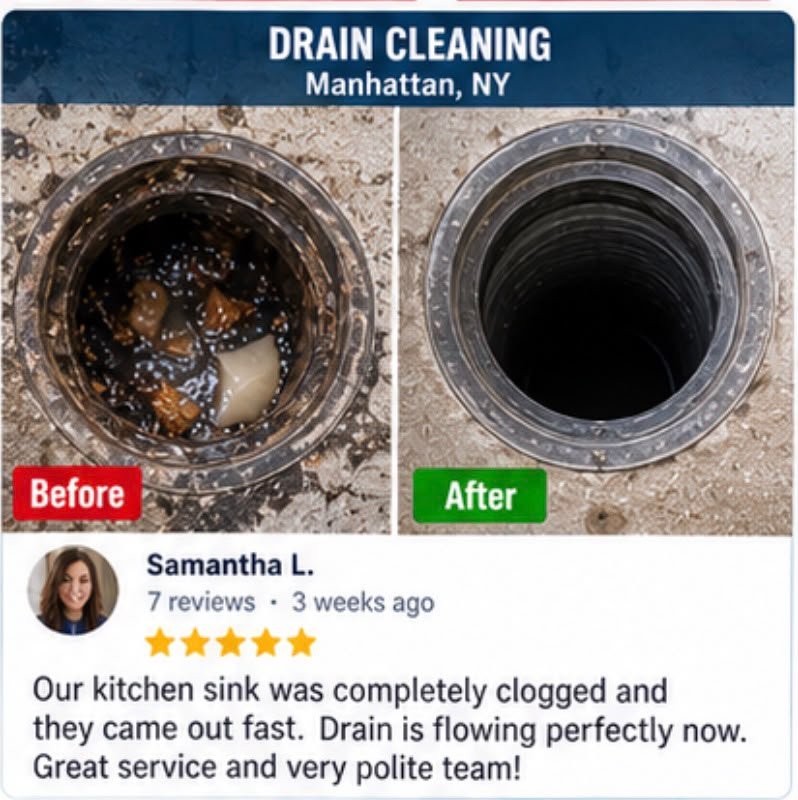
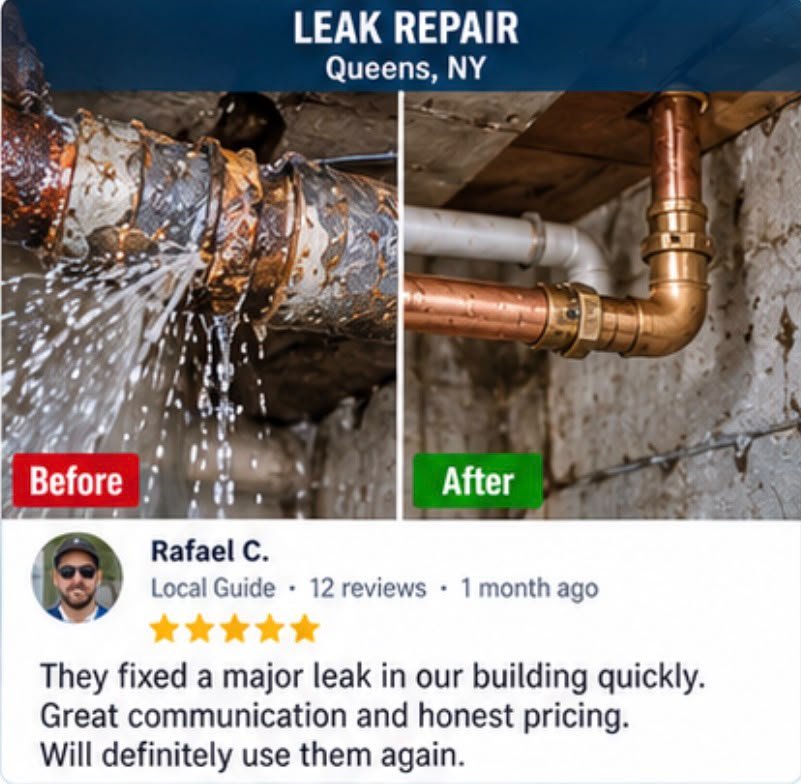
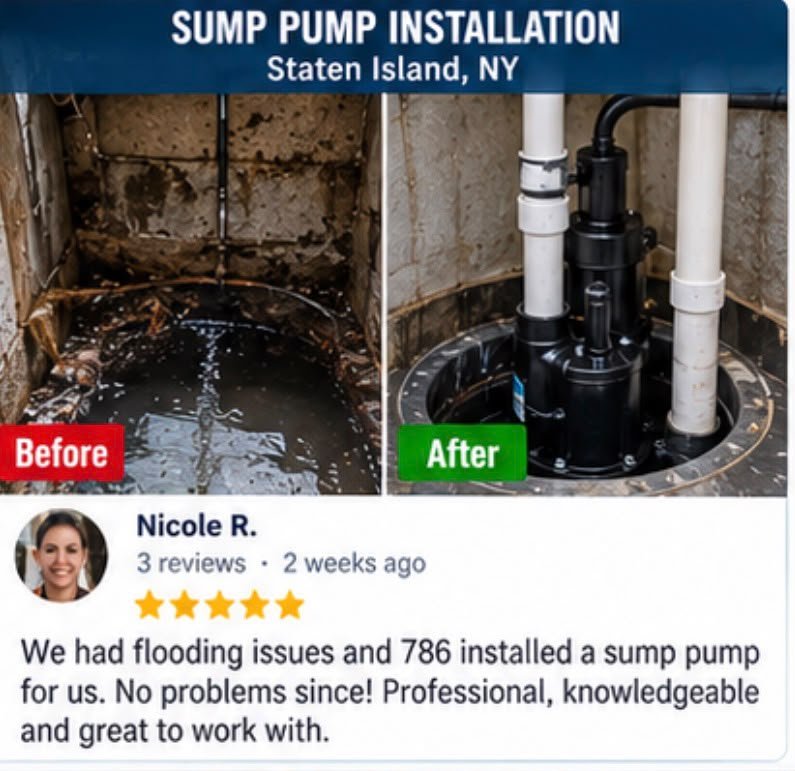
See the work. Read the feedback. Talk to our team. Get a clearer picture before you take the next step.
High-value plumbing services include professional plumbing solutions for complex repairs, installations, upgrades, renovations, and maintenance in residential and commercial properties throughout NYC.
What types of plumbing problems can be addressed by professional plumbers?⌄
Professional plumbers can handle issues such as leaking pipes, clogged drains, damaged fixtures, low water pressure, faulty valves, sewer line problems, and other plumbing system concerns.
Are plumbing services available for commercial properties in NYC?⌄
Yes, commercial plumbing services can cover offices, retail spaces, apartment buildings, restaurants, and other commercial properties, depending on the project’s requirements.
Can plumbing services be included in a remodeling project?⌄
Yes. Plumbing work can be incorporated into kitchen, bathroom, basement, and full interior remodeling projects, including fixture relocation, pipe upgrades, and new plumbing installations.
Do plumbing services include pipe repair and replacement?⌄
Yes. Depending on the condition of the plumbing system, professionals can repair damaged sections or replace old, corroded, leaking, or otherwise compromised pipes.
Can professional plumbers help with recurring drain clogs?⌄
Yes. Recurring clogs may indicate a deeper plumbing issue. A professional inspection can help identify the cause and determine the appropriate cleaning, repair, or replacement solution.
How much do plumbing services cost in NYC?⌄
Plumbing costs vary based on the type of service, complexity of the problem, materials, accessibility, labour, and any required permits. An assessment can help determine the expected project cost.
Do NYC plumbing projects require permits?⌄
Certain plumbing installations, alterations, and other regulated work may require permits in NYC. Permit requirements depend on the nature and scope of the project.
Can plumbing systems be upgraded during a property renovation?⌄
Yes. Renovations provide an opportunity to upgrade outdated plumbing, replace aging pipes and fixtures, improve water flow, and make other necessary improvements to the plumbing system.
How can I get started with plumbing services in NYC?⌄
Contact a qualified plumbing service provider with details about your property and plumbing needs. They can assess the issue or project and recommend the appropriate next steps.
 786 CONSTRUCTION SERVICES · NEW YORK CITY